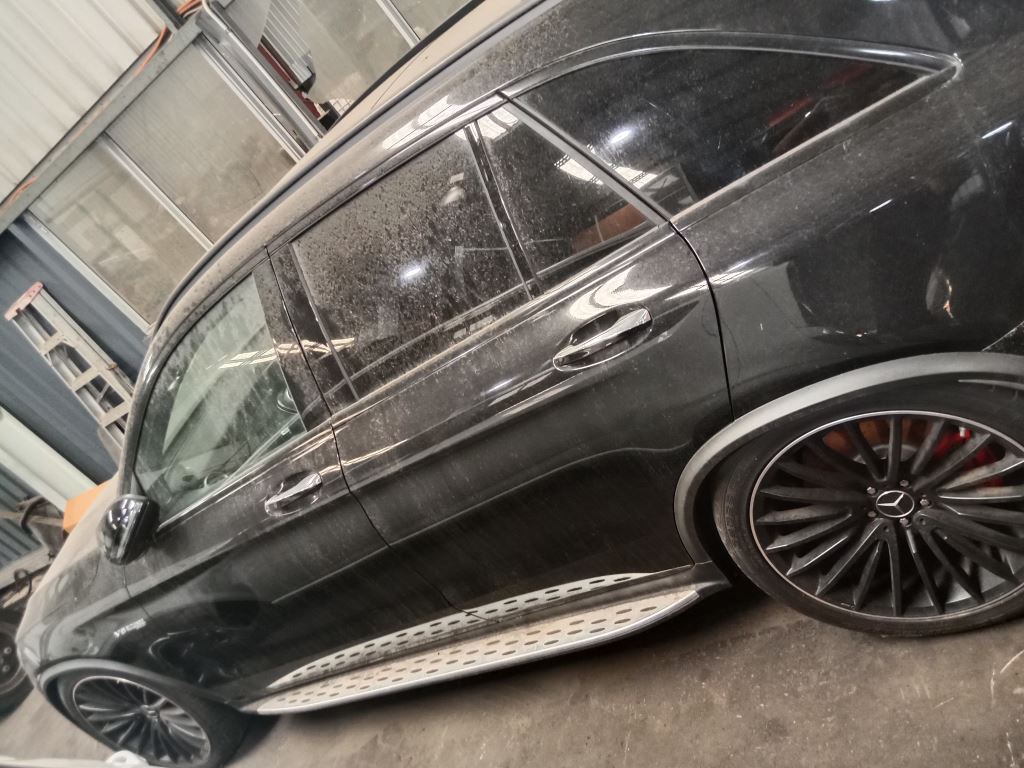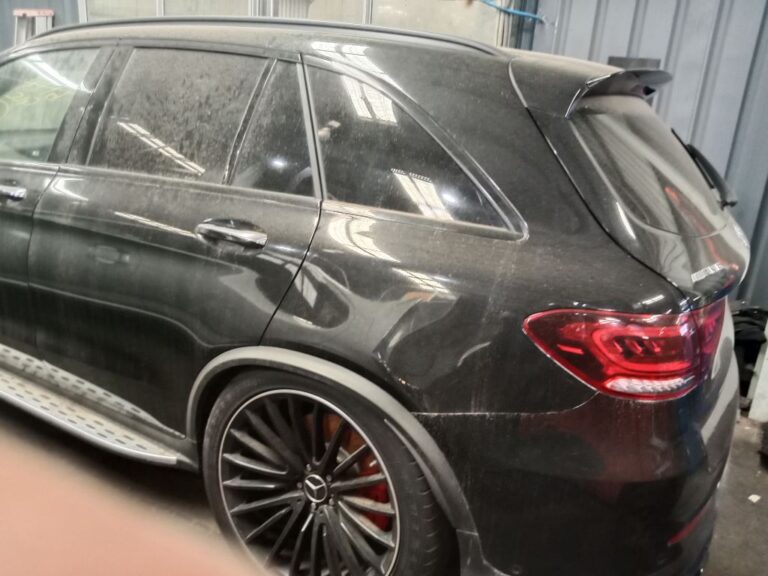
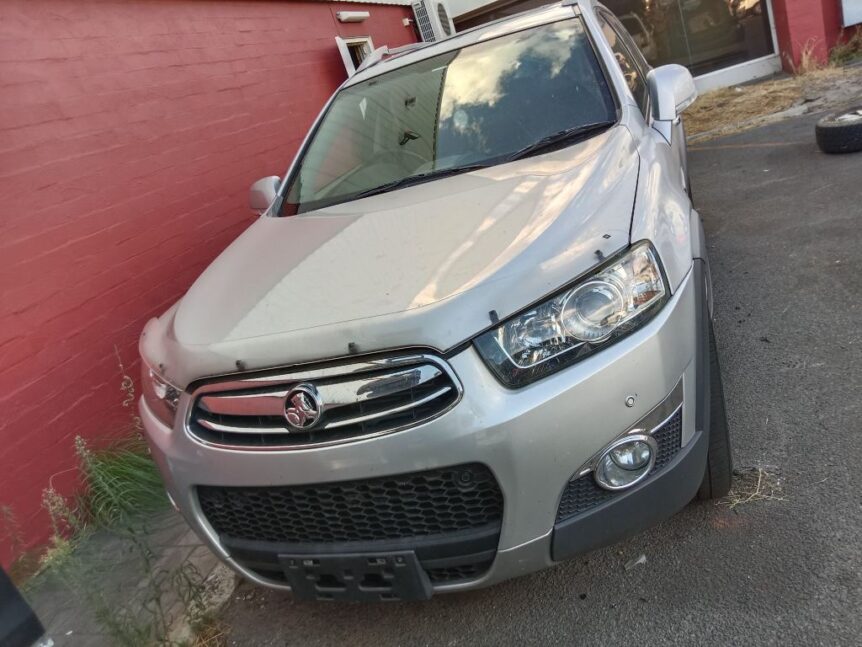
Finding the Best Kia Scrap Yard Near Me

Finding the Best Kia Scrap Yard Near Me

In today’s world finding the right resources is key especially when it comes to your vehicle. One of the most sought after resources is the Kia scrap yard. These yards offer the best prices for all Kia vehicles and are a treasure trove of replacement parts at discounted rates.

Kia Salvage Yards and Catalytic Converters

Kia salvage yards like many local businesses operate on a buy wrecked vehicles and sell usable parts model. The ownership of these yards is not state responsibility but is often in smaller family owned businesses. The core business model is buying damaged or decommissioned cars and salvaging the reusable parts. Those parts are then sold to customers and that’s how the yard makes money.

Some salvage yards offer cash for vehicles that are still running and complete so sellers can get extra cash towards a new vehicle.

Kia salvage yards like other salvage yards contribute to the local economy. They provide a market for damaged vehicles that would otherwise be worthless. By selling parts at lower prices they help car owners to keep their vehicles at a lower cost and promote longer car life and less waste.

The beauty of these salvage yards is they can take what many would consider waste and turn it into resources. They show the potential of the salvage industry, turning the end of one vehicle’s life into a lifeline for many others.

Kia salvage yards are not just businesses they are part of the automotive ecosystem, giving car parts a second life and a more sustainable environment.

Kia Scrap Value

When you scrap your Kia vehicle you need to understand its scrap value. The scrap value is the amount of money you will get when you sell your car to a scrap yard. This value is determined by several factors which we will discuss below. Knowing these factors will help you get the best price for your Kia and make an informed decision.

What Affects Kia Scrap Value?

The scrap value of a Kia vehicle is determined by several factors. First the weight of the vehicle, heavier cars have more metal to recycle. Second the age and condition of the vehicle, newer models and better condition vehicles get higher prices. Third the model of the Kia vehicle, some models are more popular and in demand for their parts. By knowing these factors you can estimate the scrap value of your Kia and negotiate the best price.

Kia Models and Scrap Value

Kia models have different scrap values depending on their weight, age and condition. For example popular models like Kia Carens and Kia Ceed get higher scrap values because of high demand for their parts. Older models like Kia Picanto and Kia Rio get lower prices. Here are some approximate scrap values for different Kia models:

  • Kia Carens: $82
  • Kia Ceed: $120
  • Kia Cerato: $270
  • Kia Magentis: $250
  • Kia Picanto: $122.63
  • Kia Rio: $275
  • Kia Sedona: $199.34
  • Kia Soul: $310
  • Kia Sportage: $201.5
  • Kia Venga: $45

These values are subject to condition and market demand at the time of scrapping so it’s always best to get multiple quotes to get the best price.
Best Kia Scrap Yard Near Me

Scrapping Your Kia

You may want to scrap your Kia vehicle for several reasons. Whether it’s due to mechanical issues, high running costs or simply the car is no longer needed, scrapping is a solution. Here are some common reasons to scrap a Kia:

Reasons to Scrap a Kia

  • MOT Failure: If your Kia fails its MOT and the repair cost is too high, scrapping it is the cheapest option.
  • Major Mechanical Issues: Major mechanical problems that are too expensive to fix is the best option.
  • Electrical Issues: Persistent electrical problems are costly to fix so scrapping is a better option.
  • High Running Costs: If your Kia is too expensive to run, scrapping it and get a new one will reduce your running costs.
  • Road Accident: If your Kia is damaged in a road accident and the repair cost is too high, scrapping is the best option.
  • Not Worth Repairing: When your Kia needs repairs that’s not worth the investment, scrapping is a better financial decision.
  • No Longer Needed: If you no longer need your Kia vehicle, scrapping is a convenient way to get rid of it and get some cash back.

By knowing these reasons you can decide if scrapping your Kia is for you.

Kia Scrap Yards and Scrap Value

Kia scrap yards have many benefits especially for those who want to sell their Kia vehicles. Here are some of the advantages:

  1. Competitive Pricing: Kia scrap yards offer prices for all types of vehicles from cars and vans to trucks, minivans, SUVs, wagons and 4wds. The pricing is determined by the age, condition, model and type of the vehicle.
  2. Environmentally Friendly: Selling your old Kia vehicle for scrap not only gives you cash but also helps the environment. This is because scrap yards recycle most of their customers’ unwanted items reducing pollution and waste.
  3. Financial Impact: Scrapping a vehicle can be a profitable business especially if the vehicle is in good condition and can be sold for spare parts or to a collector. This can mean big financial gain.
  4. Cash on the Spot: Many scrap yards offer cash on the spot for your vehicle, no need to wait for the money to arrive in your bank. Many scrap yards also offer competitive cash for running and complete vehicles.
  5. Free Pick-up and Removal: When you sell your vehicle to a scrap yard they usually offer free pick-up and removal. This means you don’t have to move your vehicle to the yard.
  6. No Charge Quote: Before selling your vehicle you can contact Kia scrap yards to get a no charge quote on your old car. This gives you a chance to decide if scrapping your vehicle is the right option for you.
Car Parts Junk Yards Near Me

Car Parts Junk Yards Near Me: Your Guide to Quality Auto Spare Parts

If you’re looking for car parts junk yards near you, you’ve come to the right place. This article will guide you through the process of finding and purchasing quality auto spare parts from local junk yards, where customer satisfaction is a top priority to ensure a positive experience for customers. We’ll cover everything from understanding the process of car recycling to knowing what to expect when shopping for parts at a junkyard. These junkyards are the go-to destination for quality auto spare parts.

Understanding Car Recycling Process and Recycled Parts

Car recycling is a significant industry, necessitating a combination of strenuous labor, specialized expertise, and a comprehensive understanding of environmentally-friendly practices. This process is not only about the efficient disposal of discarded , but also about their potential reuse and transformation into new, functioning components.

A vast number of salvage yards go through rigorous procedures to examine and test these components before they are offered for sale. This not only ensures the parts are reliable, but also guarantees that they meet the necessary quality standards. The meticulous inspection process is testament to the industry’s commitment to delivering trustworthy and dependable parts to customers.

This environmentally-conscious industry is founded on the principle of maximizing the use of resources while minimizing waste. It is a practice that is not only beneficial for the environment, but also economically advantageous, as it helps conserve valuable resources and reduces the need for manufacturing new parts

As we delve further into the process, we find that car recycling involves a series of complex steps. Each of these steps requires a specific set of skills and knowledge, demonstrating the level of expertise and proficiency required in this field.

Recycling isn’t just about breaking down and repurposing vehicles, it’s also about ensuring that each component is handled in a way that is safe for the environment. This includes properly disposing of hazardous materials and fluids that can be harmful if not managed correctly.

Car recycling is an intricate business that plays a critical role in promoting sustainable practices. It is a testament to the industry’s commitment to environmental stewardship, resource conservation, and the provision of reliable, high-quality parts for consumers.

Benefits of Using Car Parts Junk Yards

Using car parts junk yards can be a cost-effective and environmentally friendly way to find the auto parts you need. Here are some benefits of using car parts junk yards:

  • Cost Savings: One of the most significant advantages of car parts junk yards is the potential for cost savings. These yards offer a wide range of used auto parts at significantly lower prices compared to buying new parts from a dealership or auto parts store. This can be especially beneficial for those on a tight budget or looking to save money on vehicle repairs.
  • Environmental Benefits: By reusing and recycling auto parts, car parts junk yards play a crucial role in reducing the amount of waste sent to landfills. This practice helps conserve natural resources and minimizes the environmental impact of manufacturing new parts. Choosing recycled parts is a step towards sustainable living and environmental stewardship.
  • Wide Selection: Car parts junk yards typically have an extensive inventory of used auto parts from various makes and models. This increases the chances of finding the specific part you need, whether it’s for a common vehicle or a rare model. The vast inventory ensures that you have multiple options to choose from, making it easier to find the right fit for your car.
  • Top-Notch Service: Many car parts junk yards pride themselves on offering top-notch service. Knowledgeable staff are often available to assist you in locating the right part and providing valuable advice. This hassle-free shopping experience can make the process of finding and purchasing auto parts much more straightforward and enjoyable.

Finding Car Parts Salvage Yards Near You

In your quest to locate car parts junk yards in your proximity, leveraging the power of online directories can be a game changer. These platforms offer comprehensive listings of junk yards, organized by location, making it easier for you to find the ones nearest to you.

Prominent among these online resources are websites like WA Auto Parts and LKQ Pick Your Part. These platforms not only help you in identifying local junk yards, but they also provide additional features that enhance your experience. For instance, WA Auto Parts offers an advanced search feature, enabling you to search across multiple locations, years, or car models. This is particularly useful if you’re searching for a specific part that might be present in different car models.

Moreover, WA Auto Parts also offers an interchange search. This feature helps you identify parts from other car models that are compatible with your vehicle. It’s a great way to broaden your search and increase your chances of finding the part you’re looking for.

Additionally, these platforms keep their inventory updated, further easing your search. For example, WA Auto Parts’s inventory is refreshed daily and they also have a ‘New On Yard’ feature that lets you see the newest cars on their yard.

The key to finding car parts junk yards near you is making the most of the online resources available. Harness the power of their search capabilities, keep an eye on their updated inventory, and use features like the interchange search to ensure you find the right part you need.

  • Top-Notch Service: Many car parts junk yards emphasize customer satisfaction as a core value, contributing to their reputation for exceptional service.

What to Expect from a Car Parts Junk Yard

When visiting a car parts junk yard, here’s what you can expect:

  • Extensive Inventory: Car parts junk yards typically boast a vast inventory of used auto parts. From engines and gearboxes to differentials, panels, and cosmetic accessories, you can find a wide array of components to meet your needs. This extensive inventory ensures that you have a higher chance of finding the exact part you require.
  • Variety of Makes and Models: These junk yards usually carry a diverse range of makes and models, catering to various vehicle types. Whether you own a domestic or foreign car, an old model, or a newer one, the variety available increases the likelihood of finding compatible parts for your vehicle.
  • Fair Prices: One of the main attractions of car parts junk yards is their competitive pricing. Used auto parts are often available at a fraction of the cost of new parts, making it a cost-effective option for car owners. Fair prices mean you can maintain or repair your vehicle without breaking the bank.
  • Knowledgeable Staff: Many car parts junk yards employ knowledgeable staff who are well-versed in the automotive industry. They can assist you in finding the right part for your vehicle, provide insights into compatibility, and offer advice on installation. This expertise can be invaluable, especially if you’re not entirely sure what you need.

How to Shop for Car Parts at a Junkyard

Purchasing car parts from a junkyard can be an economical way to repair or upgrade your vehicle. However, the process can be complex and requires attention to detail.

To begin, it’s vital to arm yourself with accurate information about your vehicle. This information should include the make, model, and year of your vehicle, all of which can help the junkyard staff locate the appropriate part. Additionally, you should also provide your Vehicle Identification Number (VIN). The VIN is a unique series of characters assigned to a vehicle at production and can reveal vital details such as the manufacturer, year of production, type of engine, transmission, and model.

Furthermore, it’s also advised to provide details about the condition of your car. This can include any body damage, rust, flood damage, or missing parts. By providing these details, the junkyard mechanics can give you an accurate offer.

Once you have gathered all the necessary information, start calling reputable junkyards in your area to get quotes. Make sure to inquire if they offer free towing services as this can significantly affect the overall cost.

After you have chosen a junkyard, the next step is preparing your car. Remove all personal belongings and any electronics you installed. Also, if your car insurance is still active, schedule a date to cancel your policy.

Lastly, it’s important to complete any after-sale documentation required by your state. This could be a bill of sale that you fill out at the junkyard or a notice of vehicle sale that you file with the state.

In conclusion, shopping for at a junkyard requires careful preparation. By providing accurate information and following these steps, you can ensure that you receive the correct part for your vehicle and get the best value for your money.

Services Offered by Auto Wreckers

Auto wreckers offer a range of services to cater to the needs of car owners and the automotive industry. Here are some services offered by auto wreckers:

  • Auto Dismantling: Auto wreckers specialize in dismantling damaged cars and salvaging usable parts. This process involves carefully removing and cataloging parts that are still in good condition, ensuring they can be reused in other vehicles. Auto dismantling is a critical service that helps maximize the value of damaged cars.
  • Spare Parts Sales: One of the primary services offered by auto wreckers is the sale of spare parts from salvaged vehicles. These parts are often available at a lower cost than new ones, providing a cost-effective option for car owners. Whether you need an engine, transmission, or smaller components, auto wreckers can supply a wide range of spare parts.
  • Commercial Parts: Auto wreckers also supply commercial parts to the automotive industry. This includes parts for trucks, buses, and mobile plant equipment. By providing commercial parts, auto wreckers support various sectors that rely on heavy-duty vehicles and machinery.
  • Used Cars: Some auto wreckers also sell used cars, offering a range of vehicles for sale. These cars are typically inspected and repaired to ensure they are roadworthy. Buying a used car from an auto wrecker can be a cost-effective way to acquire a vehicle, especially if you’re looking for a specific make or model.

Pricing of Car Parts at Junkyards

In the realm of automotive maintenance, sourcing parts from junkyards has become a popular strategy due to its cost-effectiveness and environmental benefits. The prices of these used parts can significantly vary across the United States, influenced by factors such as the condition of the part and the warranty it carries.

There’s a wide range of parts available, from mirrors and interior components to engine parts, all of which can have substantial life left in them regardless of the vehicle’s mileage. In many instances, you’ll find a perfectly clean and fully functional used auto part that comes from a salvaged vehicle and is significantly cheaper than a brand new original equipment manufacturer (OEM) or aftermarket part. Many car parts junk yards are considered the go-to destination for a wide selection of used auto parts.

When searching for parts, ensure to provide accurate information about your vehicle’s make, model, year, and Vehicle Identification Number (VIN) to the salvage yard. This helps to ensure you receive the correct part for your vehicle.

Furthermore, buying used auto parts has an ecological aspect to it. By extending the life of a used auto part, you are contributing to keeping car parts out of landfills and dumps. Over 76 percent of an unusable automobile has parts that can be salvaged for use in another vehicle. Every part you take out of a salvage yard is one less part that contributes to the filling up of landfills.

Reliability of Parts from Junkyards

Many junkyards implement stringent measures to ensure the reliability of the parts they sell, which typically involves thorough inspection and testing prior to sale. Nonetheless, it’s prudent to have any used parts further examined by a certified expert or a trusted individual with relevant knowledge to confirm their condition.

Reliability, according to trustedadvisor.com, is about actions. In the context of junkyards, reliability could refer to the consistent provision of quality used parts and the fulfillment of promises made to customers. Just like in the workplace, reliability in a junkyard is a culmination of several strong habits.

One of the key habits is taking responsibilities seriously. In the case of junkyards, this means ensuring that every part sold has been thoroughly inspected and tested to confirm its functionality and safety.

Yet another important habit is the ability to communicate effectively. For junkyards, this means providing clear and accurate information about the condition and the expected performance of the parts they sell.

Finally, a reliable junkyard should be adaptable and ready to take on challenges. This might involve finding specific parts for a customer or addressing unexpected issues that arise during the inspection and testing process.

While many junkyards take steps to ensure the reliability of the parts they sell, it’s always a good idea to get a second opinion from a trusted expert. This way, you can be confident in the quality and safety of the parts you purchase.

Common Mistakes to Avoid When Buying Used Auto Parts

When buying used auto parts, it’s essential to be aware of common mistakes to avoid. Here are some mistakes to watch out for:

  • Not Researching the Seller: Before making a purchase, it’s crucial to research the seller. Look for reviews and ratings from previous customers to ensure the seller is reputable. This step can help you avoid scams and ensure you receive quality auto parts.
  • Not Inspecting the Part: Always inspect the part before buying to ensure it’s in good condition. Check for any signs of damage, wear, or corrosion. If possible, test the part to confirm its functionality. Inspecting the part can save you from purchasing a faulty component that may cause further issues.
  • Not Checking the Warranty: Check if the part comes with a warranty and what’s covered. A warranty can provide peace of mind and protection in case the part fails or doesn’t meet your expectations. Make sure you understand the terms and conditions of the warranty before finalizing the purchase.
  • Not Comparing Prices: Compare prices from different sellers to ensure you’re getting a fair deal. Prices for used auto parts can vary significantly, so taking the time to shop around can help you find the best value. Comparing prices also allows you to gauge the market rate for the part you need.

By avoiding these common mistakes, you can make informed decisions when buying used auto parts and ensure you get the best quality and value for your money.

Selling Your Car to a Junkyard

If you’re in possession of an old, non-functional vehicle and the cost of repairs seems exorbitant, selling it to a junkyard may be a viable option. Many junkyards are willing to purchase such vehicles primarily for their parts, offering you a fair sum in return.

Before initiating the sale, ensure you have your vehicle’s title, as this is essential for transferring ownership. It’s advisable to research local junkyards and compare their offers. This can be done by searching for “junkyards near me” online and contacting them with details about your car, including its condition and any damages.

Take into account any additional services the junkyard may offer, such as towing, which could affect the final amount you receive. If the junkyard does not provide free towing, you’ll need to factor in these costs.

Also, prepare your vehicle for the junkyard. This involves cleaning out any personal belongings and removing any aftermarket electronics you may have installed.

Once you’ve chosen the best offer, ensure to accurately describe your car’s condition when negotiating with the junkyard. Any discrepancies between your description and the actual condition of the vehicle could lead to a reduction in the offered price.

After selling your car, complete any after-sale documentation required by your state. This could include a bill of sale or a notice of vehicle sale.

Lastly, if you decide not to sell your car to a junkyard, consider national companies like Peddle and Copart, which purchase junk cars

By following these steps, you can maximize the amount you receive from selling your old car to a junkyard.

In conclusion, car parts junk yards near you can be a great source of quality auto spare parts at affordable prices. By understanding the car recycling process, knowing how to shop for parts, and considering selling your old car to a junkyard, you can save money and support the environment at the same time.

Junk Yards That Sell Whole Cars

Junk Yards That Sell Whole Cars

Finding a reliable source of whole cars can be a daunting task, especially when you’re looking for a specific make or model. Fortunately, junk yards that sell whole cars can be a treasure trove for car enthusiasts, mechanics, and anyone in need of a budget-friendly vehicle. In this article, we will guide you through the ins and outs of junk yards that sell whole cars, and how you can make the most out of your visit to these automotive gold mines to secure the best deal.

Understanding the Value of Junk Yards

Junk yards, also referred to as salvage yards or auto recyclers, serve as repositories for old, damaged, and unused vehicles. The term “junk” may mislead, but these yards are more than just heaps of discarded items. In reality, they house a diverse array of vehicles, ranging from vintage classics to contemporary models. These vehicles are not merely scrap, but a valuable resource for parts and a cost-effective choice for those seeking a complete car. Many junkyards specialize in managing unwanted cars, making them a valuable resource for those looking to dispose of their vehicles.

Junk yards are not just places to store and dismantle vehicles, but also thriving businesses that recycle auto parts. They are a valuable resource for car enthusiasts and mechanics looking for affordable parts. These yards are not just piles of “junk”, but rather treasure troves of used and vintage parts that can be sourced at a fraction of the cost of new parts.

Junkyards are not only places to sell old cars, but they also play a crucial role in environmental conservation. They ensure that vehicles are stored or recycled responsibly, adhering to stringent environmental standards. This is particularly important for vehicles that have been involved in accidents or have fallen into irredeemable disrepair. The catalytic converter, for example, is a valuable part that can be resold and plays a significant role in environmental conservation by encouraging the recycling of automotive materials.

Junk yards are more than just places to sell old cars. They are valuable resources for car parts, contributing to the automotive industry by recycling vehicles and promoting environmental conservation. Whether you’re looking to sell an old car or purchase parts, junk yards are an important part of the automotive ecosystem.

Advantages of Buying Whole Cars from Junk Yards

Purchasing entire cars from junk yards presents several benefits that can make it an appealing choice for budget-conscious consumers, eco-friendly enthusiasts, and those seeking a wide variety of models:

  1. Cost-Effectiveness: Cars from junk yards are typically less expensive than their used counterparts in the market. This makes them an excellent choice for individuals or families with a limited budget. The cost savings can be substantial, allowing for more financial flexibility or the potential for additional purchases.
  2. Wide Range of Selection: Junk yards offer a diverse selection of makes and models. This variety allows consumers to find a car that suits their specific needs and preferences, whether it’s a particular brand, model, or year. It’s also possible to find a car with unique features that may not be readily available in traditional dealerships.
  3. Environmental Advantage: Buying a car from a junk yard can help reduce the environmental impact associated with manufacturing new vehicles. It’s a form of recycling that conserves resources and can contribute to the reduction of greenhouse gas emissions. This is particularly important in the context of climate change and sustainability.
  4. Potential for Lower Insurance Premiums: Depending on the state and the specific car, buying a used car from a junk yard could potentially lead to lower insurance premiums compared to purchasing a new car. This is because insurance companies often consider the age and mileage of a car when setting rates.
  5. Access to Replacement Parts: If you’re planning to maintain or repair the car yourself, buying from a junk yard can be a cost-effective solution. You can find parts for your car at a local junk yard, which can be more affordable than purchasing them from a dealership or a general parts store.
  6. Ensuring a Clean Title: It is crucial to ensure the car has a clean title to avoid legal complications and ensure smooth ownership transfer. A clean title signifies the vehicle’s legal ownership and absence of major issues, making the purchase more secure.

Buying whole cars from junk yards offers a combination of cost savings, environmental benefits, and practical advantages. It’s a strategy that can be particularly beneficial for those on a budget, those with a passion for sustainability, and those who enjoy the process of car maintenance and restoration.

How to Find Junk Yards That Sell Whole Cars

Finding junk yards that sell whole cars can be accomplished in several ways:

  1. Online Directories: Utilize online directories to locate junk yards in your vicinity. Always verify the contact information against the details listed on the junk yard’s official website to ensure accuracy.
  2. Google My Business: This platform provides a list of junk yards in your area. It’s a reliable source of information, including reviews and ratings from previous customers, which can help you make an informed decision.
  3. Local Listings: Local newspapers, community boards, and classified ads often feature listings for junk yards that sell whole cars. These can be a valuable resource for finding local options.

In addition to these methods, you can also consider using specialized online platforms that connect buyers with sellers of used cars. Websites like CarPart.com.au and AnzaAutoWrecker.com.au list junk yards and other car recyclers, making it easier for you to find whole cars for sale.

Remember to always conduct thorough research and read reviews before making a purchase. This will help ensure you’re getting a good deal and the junk yard is reputable. Helpful tips can guide you through the process of finding and purchasing a whole car from a junk yard.

Navigating a Junk Yard

Navigating a junk yard can be a daunting task, especially for first-time visitors. To make the most of your visit, it’s essential to have a clear understanding of what you’re looking for. Start by researching the junk yard’s inventory and identifying the specific auto parts you need. Many junk yards offer online inventory searches, which can help you pinpoint the parts you need before you even set foot on the lot.

Upon arrival, take a moment to familiarize yourself with the layout of the junk yard and the location of the different sections. Don’t be afraid to ask the staff for assistance or guidance; they are often knowledgeable about the inventory and can help you find what you need. When searching for parts, be sure to inspect them thoroughly for any signs of damage or wear and tear. This is crucial to ensure you’re getting quality parts that will serve your automotive needs.

Consider bringing a basic toolkit with you, including items such as a screwdriver, wrench, and pliers, to help you extract the parts you need. Be prepared to negotiate prices, and don’t be afraid to walk away if you’re not satisfied with the deal. By being prepared and knowing what to expect, you can navigate a junk yard with confidence and find the auto parts you need.

Choosing the Right Junk Yard

With so many junk yards to choose from, it can be challenging to select the right one for your needs. Start by researching local junk yards and reading reviews from other customers. Look for junk yards that specialize in the type of vehicle you’re working on, such as older cars or specific makes and models. This specialization can significantly impact the availability of the parts you need.

Consider the size of the junk yard and the variety of inventory they offer. A larger junk yard with a diverse selection of vehicles can increase your chances of finding the right parts or whole car. Check to see if the junk yard has a clean and organized facility, which can make it easier to find what you need and ensure a more pleasant experience.

Ask about their pricing and return policies, as well as any warranties or guarantees they may offer. Many junk yards also provide additional services, such as auto wreckers and scrap metal recycling, which can be beneficial if you’re looking to dispose of an old car. Be sure to check if the junk yard is licensed and insured, which can provide peace of mind when making a purchase.

By doing your research and choosing the right junk yard, you can find the auto parts you need at a price you can afford. Remember to always prioritize your safety and the quality of the parts you’re purchasing, and don’t hesitate to ask questions or seek advice from the staff.

Tips for Buying Whole Cars from Junk Yards

When purchasing a whole car from a junkyard, there are several key steps to consider to ensure you’re getting a good deal. Additionally, understanding the processes and considerations involved in selling vehicles and parts to salvage yards is crucial for a successful transaction:

  1. Inspect the Car Thoroughly: Before making any purchase, conduct a comprehensive inspection of the vehicle. This includes checking for any signs of damage or issues that might necessitate costly repairs. It’s crucial to be aware of any potential problems that could affect the car’s performance or resale value.
  2. Understand the Market Value: It’s beneficial to have a clear understanding of the market value of the car you’re interested in. This knowledge will assist you in negotiating a fair price. You can find out what other sellers are asking for cars of the same make, model, age, and mileage as yours.
  3. Verify the Paperwork: Ensure that the junkyard has all the necessary paperwork for the car, including the title and any other documents required to transfer ownership. Checking the title status is crucial as it can reveal if the car has been moved around in multiple states or declared a total loss.
  4. Consider the Junkyard’s Reputation: Before making a purchase, read customer reviews and check if the junkyard is licensed. This will give you an idea of the quality of service and the professionalism of the staff.
  5. Negotiate the Price: Be firm with your price, but don’t push it. If you know the buyer is interested in the car, you can start discussing the price. Remember to be honest about how low you are willing to go instead of posting a price that is the highest possible.
  6. Finalize the Sale: Once you’ve accepted an offer, you’ll need to formalize the sale process. This includes receiving your cash or check before signing any legal documents, and then signing a release of liability and filling out the pink slip.

By following these steps, you can ensure that you’re making an informed decision when buying a whole car from a junkyard.

Conclusion

In conclusion, junk yards that sell whole cars offer a cost-effective solution for those looking to buy a car or find specific parts. By understanding how these yards operate and what to look for when buying, you can ensure a successful and beneficial purchase.

The Guide to Junk Yards Near Me That Buy Cars

The Guide to Junk Yards Near Me That Buy Cars

Want to sell your used car but have no idea where to start? Look no further! This guide will take you through the process of selling your car to junk yards near me. We’ll cover everything from finding the best junk yards, the car recycling process and local SEO to get the best deals.

Find the Best Junk Yards Near Me

In the sea of junk yards that buy used cars, you need to separate the good from the bad. When you’re looking for “junk yards near me that buy cars” you need to focus on places that are professional and have a good reputation.

Check their affiliations or certifications as a measure of their reputation in the industry. These can be industry specific certifications or membership of professional bodies to show they follow industry standards.

Also look for reviews or testimonials from previous customers. These will give you an idea of the junk yard’s service quality, payment terms and overall customer satisfaction.

Lastly, check the junk yard’s location and operating hours. A location near you and extended hours will make the process of selling your car much easier and convenient.

Remember, you want to find a junk yard that buys cars and treats their customers fairly and professionally. That’s the whole experience from start to finish.

The Car Recycling Process

Once you’ve found a junk yard, you need to understand the car recycling process. When your car is handed over to a professional recycler, it goes through a series of steps to make sure all parts are disposed or repurposed. This process not only is good for the environment but also recovers materials that can be used again or sold.

The car recycling process is a structured approach to disassemble and reprocess cars to make sure as much of the materials as possible are reused or recycled. This starts with the removal of all hazardous materials from the car to prevent environmental pollution. Then the car is dismantled and the parts are sorted by material type for further recycling or disposal.

This reduces the need for landfills and reduces the need to mine new materials thus decreasing CO2 emissions and energy consumption. Car recycling also contributes to the economy by creating jobs in the recycling industry and providing an affordable source of parts for consumers and businesses.

Choosing a responsible car recycler is key to recycling your car in an eco friendly way. Look for recyclers that show their commitment to environmental responsibility including strategies to minimize waste, reduce emissions and maximize material recovery.

In summary, understanding the car recycling process is important for sustainability and resource conservation. It’s a process that benefits the environment, economy and society.

Local SEO to get the best deals

Local SEO is a powerful tool to get the best deals especially in local markets like junk yards. Use these techniques to optimize your search and dominate your local market.

Local SEO is the use of location specific keywords relevant to your business. For example if you’re looking for junk yards near you that buy cars you could use keywords like “junk yards near me that buy cars.

To find the best local keywords, think of the services or products you want to promote and brainstorm a list of keywords related to your business. Tools like Google Keyword Planner, Ubersuggest and Google Trends can help you see the popularity of those keywords and analyze competitor keywords.

You also need to understand your prospect’s intent. Are they buying a product or service, looking for more information or just browsing? Once you know the searcher’s intent you can target your keywords and content better.

Besides keyword research, there are other local SEO strategies you can use. For example you can use Moz Local to get a free listing score and see where you stand in the local SEO landscape.

Content optimization is another important part of local SEO. This is optimizing your content to boost your SEO. Including your target keyword in the body content, using proper heading tags and maximizing your internal linking can all help to visibility.

Remember SEO is a long term strategy that requires planning, patience and time. Implementing these strategies is a good starting point to rank higher on Google but you need to monitor your progress, be consistent in your delivery and patient. Results will come incrementally over time if you trust the process and keep trying to improve your SEO.

Writing the best copy for your car listing

When selling a car, an SEO optimized and compelling description is crucial. This description should highlight the car’s features and condition. You should also disclose any known issues or damages. This will attract potential buyers and build trust as a seller.

To boost your car listing try:

  1. Keyword Optimization: Include relevant keywords in your description. These should be long tail keywords that are relevant to your car and are used by potential buyers. For example instead of using generic terms like “Ford cars” use more specific keywords like “2018 Ford Mustang GT features”
  2. Google My Business Optimization: Claim your business listing on Google My Business and make sure all information is correct and up-to-date. This will improve your online visibility and help potential buyers find your car easier.
  3. Unique, Accurate Page Titles: The title of your listing should match the car you’re selling. This helps with SEO and gives potential buyers an idea of what they’re looking at.
  4. Headlines to Grab Attention: A good headline can grab the reader’s attention and curiosity. It should be specific and convey a message. For example instead of a generic title like “Car for Sale” use a more descriptive headline like “2018 Ford Mustang GT with Low Mileage and Great Condition.”
  5. No Keyword Stuffing: While keywords are important, don’t stuff your listing with too many. Instead include them naturally in your description.
  6. Be Honest and Transparent: Be upfront about the car’s condition, including any known issues or damages. This will build trust with potential buyers and avoid any future misunderstandings.

By doing this you can create a great car listing that attracts potential buyers and makes you a trusted seller.

End

Selling your car to a junk yard doesn’t have to be scary. By finding reputable junk yards, knowing the car recycling process, using local SEO and writing a great car listing you can make the process smooth and profitable.

Remember the key to successful selling is to provide clear, detailed and honest information about your vehicle. Then you’ll attract the right buyer and get the best price for your car. Happy selling!

Car Breakers Yard

Discover the World of Car Breakers Yard

What are Car Breaker Yards? Car breakers yards (also known as scrapyards or salvage yards) are facilities where old, malfunctioning, or damaged vehicles are stored and broken down. Reusable components are salvaged, refurbished and sold, and the remnants of the vehicle recycled.

The Importance of Car Breakers Yards in Automotive Industry

Having a car breaker yard in your locality will lead to a huge relief as they take care of the disposal of your vehicle in an eco-friendly manner. Recycling and reusing automotive parts contribute to circular economy, not only minimizing the pollution of the environment but also preserving and reducing resource utilization.

The auto industry is a complex web of businesses that all work with each other as well as with the broader auto supply chain. Vehicles at the end of their life are treated as assets, not waste, and must be carefully handled to extract their value. Hazardous wastes are one of the drawbacks of such vehicles but the industry has developed a way of handling these resources and waste byproducts.

Sustainability is becoming one of the first priorities in the automotive industry. Catalog manufacturers are already getting ahead of the curve by embracing green practices and more businesses are demanding sustainability tickets. In this instance, something as simple as the use of car breaker yards for the recycling and reuse of automotive parts.

This is where car breaker yards come in and do their part in the sustainability mission by reusing and recycling materials from end-of-life vehicles. It not only lessens the environmental impact of these vehicles but also conserves some more important resources. Car breaker yards play a vital role in creating a more sustainable future by reusing and recycling these materials, significantly reducing industrial waste and greenhouse gas emissions.

To sum up, car breaker yards are an integral part of the automotive industry and serve as a link between the new vehicle production and the recycling of the old units. Through their operations, not only do they work to cause less environmental damage, they also contribute to the circular economy whereby resources are reused and recycled over the long term. Car breaker yards already play a key role in the automobile disposal process, but as the industry moves towards greater sustainability, this importance is likely only to be enhanced.

Car Breakers Yards and Sustainability

Auto recycling is an important aspect of protecting the environment and advancing sustainability. By conducting salvage and recycling of materials, car breakers yards are dedicated to ensuring we’re not constantly needing to manufacture new parts—this helps preserve our natural resources and reduces waste.

One of the main advantages associated with car breakers yards is the potential to salvage parts for reuse. When cars come to the end of their lifecycle, these yards literally tear them apart, taking parts that are still working and in good condition. The salvaged parts are later resold, extending parts life. Automotive parts reuse promotes the reuse of auto parts and reduces the need for part production. This, in turn, helps reduce the extraction of raw materials and energy needed for manufacturing processes.

In addition, car breakers yards make an active contribution to the recycling process. Vehicles are made with several metals and plastics, and can be recycled easily. These items are painstakingly sorted, processed and reprocessed into new raw materials rather than winding up in landfills. This process is a great contribution to the circular economy, as it alleviates pressure on the Earth’s resources by diverting these materials from the waste stream and back into the supply chain.

By tearing down and recycling parts, car breakers yards actually reduce the need for new cars to be made. This means fewer finite resources need to be extracted and fewer environmental impacts (greenhouse gas emissions, energy consumption, etc.) associated with extraction. As such, the benefits of auto recycling to the environment go far beyond the conservation of raw materials.

Through vehicle recycling, car breakers yards also play a significant role in sustainability and environmental protection. By salvaging parts and recycling materials, car removal services can preserve natural resources, decrease the need for new parts production, and lead to a more sustainable future for the automotive sector.

Affordable Solutions for Both Car Owners and Dealerships

Car breakers yards, or also known as salvage yards, offer a cheap and beneficial option for car owners and dealerships. Beside that it provide scraps and reclaimed parts which tend to be cheaper than new ones, so it’s an appealing option for vehicle repairs and restorations. These components are typically removed and reused from vehicles that have low mileage or have been in minor accidents and are still in working condition.

One of the other great benefits is that a car owner saves a lot of money on repairs as the prices of used auto parts are economical as compared to the new parts. Finding these parts has become easier than ever with the rise of the internet, and a vast used car parts market exists both online and through salvage yards.

Not only are used parts cost-effective, but they are also environmentally friendly. It will help to reuse the already existing parts that contribute to a lower impact on the environment and a lower waste of resources when the car is repaired.

Using reclaimed parts can be a smart strategy for dealerships. It enables them to provide customers with a cheaper fix and that generates better satisfaction and retention. Additionally, having dealerships buy new parts less means less cost for the dealerships which results in having more money in the dealership’s pockets as profit.

The customers need to find out the best sellers to confirm the quality of used parts. Make sure you find online sellers that specialize in selling quality used car parts. These customers are expecting images of the used car parts, along with a thorough description to know about the used auto parts.

The car breaker yards are a win-win situation for both dealership and car owners. These parts also offer an affordable solution for vehicle repairs and restorations and promote environmental sustainability.

The Process of Car Breaking

Car breaking or dismantling is a multi-stage process beginning with obtaining a vehicle. Afterwards, the car is depolluted and dismantled and the components sold or recycled.

Vehicle Acquisition

The place to shop for a car in various states of repair are car breakers yards. Some cars are just old, and they survived the ravages of time, unwanted by their owners. Others, though, show the scars of irreversible trauma, whether from accidents or catastrophic mechanical failures.

Car breakers yards are the final resting place for a wide variety of vehicles. These places serve both the freewheelers in search of knob gravelers and the gearseekers for parts, resurrecting the ill. Car breakers yards are like the connective tissue between the past and the potential future of the automotive industry by salvaging these abandoned or damaged vehicles.

The owners who said goodbye to their loyal friends may regard their cars as mere relics, while car breakers yards see them as pot-of-gold in terms of salvage and reuse opportunities. Through meticulous observation and evaluation, this process retrieves usable parts like engines, transmissions, and even electronic systems from the discarded or heavily damaged automobiles, allowing them to continue serving a purpose beyond their original intention.

In addition, car breakers yards aid in minimizing waste as well as promoting environmental sustainability. They follow the guidelines of recycling and reuse to ensure that these vehicles don’t simply become an added weight on the earth’s resources. These yards reduce the environmental harm caused by vehicle disposal by prolonging the lives of functional parts and responsibly disposing of the remaining materials.

Thus, the importance of such establishments like car breakers yards are of utmost importance, helping to recycle old and forgotten cars into something more useful once again.

Depollution

When a car enters a car breakers yard the first and foremost step is depollution. The precise scraping of all potentially dangerous substances, including fuel, oil, coolant and battery acid, is an exhaustive process. The goal is to protect the environment from the risk of contamination.

Within the realms of depollution, car breakers yards wear their eco-outfit and prepare to detox every shed vehicle. It’s an elaborate pas de deux, run like a well-oiled machine: toxic fluids and chemicals are meticulously removed, never to be released into the soil or waterways. “By carefully removing and sealing these hazardous materials, they are carefully sealed in containers for immediate transport to appropriate disposal sites.”

It is with every drop of fuel, ounce of oil and trace of battery acid extracted that car breakers yards step up to the challenge of protecting the environment. They work hard to reduce the ecological impact of abandoned or damaged vehicles, on our delicate ecosystem. Yards that are committed to this honorable endeavor become custodians of the restoration and repurposing process, so the already assembled tinkerers can avoid leaving the toxic path behind them.

Car breakers yards, in grasping the idea of depollution, are also a testament to sustainability and environmental responsibility. Following strict regulations and using proper methods, they make a contribution to the larger environmental cause, striving towards a cleaner planet. This positions their efforts as a commitment to conservation of our natural resources, preservation of the beauty of our societies, and a green future for generations to come.

Dismantling and Recycling

After depolluting the car, it is dismantled. What can be reused is carefully cleaned, examined and made ready for sale. These are desirable parts like electronic modules, alternators, and starter motors that are stored for future sales.

The remaining metal and plastics of the car are crushed. Now crushed and ready for recycling, this shell has been stripped of its more valuable components.

It is then send to a recycling facility where it gets pulverized into smaller metal pieces. This metal is sold in bulk to steel mills for recycling. Recycling is unlike any other process; it saves energy and natural resources while also saving our environment.

Metal, as well as glass, plastic, and rubber elements, are also eliminated from the blend. Recycling these materials helps decrease the amount of waste sent to the landfill, while also blooming the use of recycles for producing new products.

The recycling industry in Australia would also become an economical and useful aspect of disposing of non-roadworthy cars.

Where to Search for Quality Parts at Car Breakers Yards

They are also popular with car breakers yards who sell the car to car enthusiasts of different age and people looking for different car parts at lower cost than the new ones. These yards have everything from engines and transmissions to mirrors and hubcaps and everything else in between and spread out over every possible make and model of vehicle.

How to Search for Parts

Just like auto breaker yards, these yards also use an inventory system to track the parts they have available. Customers are able to use this system in different ways. At the conventional yard, you would call or go in person and ask if they have a specific part. But several yards have added online inventories to their offerings. This functionality enables customers to look up parts from home without needing to visit in person, saving on their convenience.

Some yards deploy advanced inventory management software such as Sortly to expedite this process. Not only does this software keep track of every piece of inventory in the auto shop, it also allows for management from the device anywhere. It allows for the tracking of reusable elements like location, cost, SKU, and manufacturer. Moreover, it enables fast retrieval and search of every individual component available quickly in his store ormultiple stores. This is particularly helpful for customers who need to search for specific parts across multiple yards.

Also, some of the yards undergo delivery of the parts to you so on the other hand it makes it way easier for the customers. They can choose their component from the web stock, and it will be shipped to their doorstep.

Whether you either visit them in person or search online, the modern car breaker yard has made it simple to get the car parts which you want. These yards offer everything you could need, from brakes and driveshaft (and other parts) to seating parts.

Checking the Quality of Parts

Most industries deal with used parts every so often. But it is important to assess their quality before using them in your operations. So right now you are looking at the history of the piece which can involve how old it is, how old it is, what its previous state has been, whether it has been damaged before or not. If possible, it is advisable to hire a professional mechanic to inspect the component Definitive to assure proper repair.

Using second-hand parts in your operations can greatly affect their performance. As a result, I recommend you take some time to learn about the history of the part and get it checked out by a qualified professional. This will make sure that you are getting nothing but a part that is able to function the way that it was designed to, while also being sure that you do not have any number of breakdowns or failures that you were not expecting to happen in the future.

The quality of used parts used also influences the overall security of your vehicles. Consequently, it is vital to make sure the part has been well maintained and does not hold any past damage, which can lead to an accident or injury.

First, the quality of used parts can also directly impact the lifespan of your equipment. This means it is better to invest in parts that are in good condition and well taken care of. Which can help ensure that your equipment lives longer, and that you do not have to pay costs to replace parts too early.

Evaluating used parts is a critical component to getting value out of your equipment while minimizing cost, safety, and reliability risks. So it’s best to spend some time learning about the part’s history and taking it to a pro for inspection. This method can ensure the part you are receiving is capable of performing its designed function, avoid spontaneous break downs or failure, and make sure that your equipment will be running longer.

Recent Developments in Car Breakers Yards

As demand for electric vehicles grows and government regulation becomes stricter the car breaker yards industry is being changed dramatically. Such nascent shifts are not merely transforming the landscape of the industry.

One of the biggest shifts will be in the growing need to deal with electric vehicle powertrains and batteries. With ongoing adoption of electric vehicles (EVs), recycling & disposal of these components will also increase. This offers a new avenue for car breakers yards to introduce additional services and evolve to the market needs.

But the transition to electric vehicles also comes with its own set of challenges. Because EV batteries, though made up of light materials like lithium, nickel, and cobalt, impact the environment, dismantling and recycling batteries require a particular skill set and equipment. This requires an modernization of the technical capabilities in the car breakers yards.

In addition, raw material prices like lithium—an important ingredient for EV car batteries—are only getting more expensive. This may raise the cost of retrofitting, which means more economic burden is on the car breakers yards to gain profits through recycling EV batteries.

However, car breakers yards are also facing up to challenges – and the future of car breakers yards as we know it in one form or another is encouraging, thanks to adaptations — with others. This change is will be critical in whether the industry conforms to realities or will it innovate and adapt.

Conclusion

In the automotive industry, car breakers yards represent a significant part of the sector. It is a eco friendly way to deal with end of life vehicle and provide cheap and affordable parts to car owners and dealers. Not only are car breakers yards committed to recycling and sustainability, they are also contributing to a greener planet by helping keep our cars on our roads.

Car to a Scrap Yard

Selling Your Car to a Scrap Yard

The act of disposing of your vehicle at a scrap yard is a process that, while seemingly simple, requires careful consideration and understanding. This guide aims to demystify the selling process, shedding light on the post-sale fate of your vehicle and offering valuable tips to secure the best price for your car.

The first step in selling your car is to present it in the best possible condition. This can involve a thorough cleaning, minor repairs, and ensuring that your vehicle’s service history is up-to-date. The overall appearance of your car can significantly impact its perceived value, so investing in a professional detail can be beneficial. Additionally, high-quality photos can make your car stand out to potential buyers.

Once your car is ready for sale, you’ll need to prepare for the buying process. This involves being ready to answer questions about the vehicle, meeting potential buyers in a neutral environment, and ensuring all necessary paperwork is in order. It’s crucial to receive full payment before handing over the keys, and don’t forget to remove any personal items from the car.

After your vehicle is sold, its fate depends on its condition and the buyer’s intent. If the buyer intends to scrap the car, it will be dismantled for parts. The value of your car for scrap can range from $500 to $9,999, depending on the brand, model, make, and condition of your vehicle.

To maximize the selling price of your vehicle, it’s important to understand its market value. Researching prices and setting a realistic asking price can help you get the best deal. Furthermore, being prepared for a test drive and handling any potential issues that may arise during this process can also contribute to a successful sale.

Selling a car to a scrap yard involves several steps, from preparing the vehicle for sale, understanding the buying process, and setting a realistic asking price. By following these steps, you can ensure a smooth and successful selling experience.

Step 1: Locate a Reliable Scrap Yard

To enhance the process of selling your car to a scrap yard, start by identifying a trustworthy yard. This can be accomplished by conducting an online search or seeking recommendations from individuals you trust. A reputable scrap yard offers a fair valuation for your vehicle and ensures its safe transportation during the sale.

To ensure the yard is reliable, consider reading customer reviews and getting quotes from multiple sources. This will help you get the best possible price for your car.

Once you’ve chosen a yard, prepare your car for the sale. This includes removing any personal items or valuable parts that you might want to keep or sell separately. It’s also important to remove the license plate so you can report to your local DMV that the car has been scrapped.

When the scrap car removal service arrives, they will inspect your vehicle to confirm its condition. Once everything is in order, you will receive payment based on the agreed-upon quote. After the sale is complete, remember to cancel your vehicle’s registration and insurance to avoid any legal issues or unnecessary payments.

Selling your car to a scrap yard involves finding a reliable yard, getting multiple quotes, preparing your car for sale, and following through with the sale process. By following these steps, you can ensure a smooth and fair transaction.

Step 2: Prepare Your Car

Before you embark on the process of selling your car, it’s crucial to meticulously prepare it. This involves a comprehensive cleaning of both the interior and exterior, ensuring that every inch is spotless. Start with the interior, which includes vacuuming all carpeted surfaces, including the trunk and beneath the seats, and wiping down all plastic trim components with an automotive interior cleaner.

Next, turn your attention to the exterior. Use a high-quality car wash and wax to clean and protect the paintwork. Remember to check for any stains or scratches, which should be addressed promptly to prevent them from becoming more noticeable over time.

Furthermore, it’s essential to remove all personal items from the vehicle. This includes trash, clothing, and any other items that might detract from the car’s cleanliness and appeal to potential buyers.

Lastly, to prevent any accidental ignition, remove the battery. This action not only adds to the car’s cleanliness but also enhances its safety.

Remember, the first impression is crucial when selling a car. A well-prepared car, both inside and out, will attract potential buyers and increase your chances of a successful sale.

Step 3: Conduct the Sale

With your vehicle now thoroughly clean and prepared, you’re ready to move on to the sale. The first step is to provide the scrap yard with comprehensive details about your vehicle. This includes the make, model, year, and mileage. The scrap yard will then evaluate these details and provide you with a quote for your vehicle.

This quote is based on a variety of factors, including the age and condition of the vehicle, the current market value for scrap materials, and other aspects of the vehicle. It’s important to note that the age of the vehicle significantly affects its potential cost, with older vehicles generally being more expensive to recycle due to the lower demand for their parts.

Once you’ve received the quote, you can decide whether to finalize the sale. If you agree with the price, the process is relatively straightforward. The scrap yard will handle all the paperwork and arrange for the pick-up of your vehicle. Some scrap yards even offer the option to pay via e-transfer, cash, or other available formats, ensuring a secure and convenient transaction.

The sale of a used vehicle to a scrap yard is a straightforward process that involves providing detailed information about the vehicle, receiving a quote, and making a decision based on that quote. The scrap yard handles all the paperwork and ensures a safe and secure transaction for both parties.

What Happens to Your Car After the Sale?

After the sale of a vehicle, the journey of your car doesn’t end. Instead, it embarks on a new chapter of service, contributing to the environment and the economy in a unique way.

The car is transported to a scrap yard, a facility designed to dismantle and recycle vehicles at the end of their lifespan. Here, the vehicle undergoes a thorough inspection to determine its condition and identify the types of materials it’s made of.

The parts are then sorted based on their material. The metals, whether ferrous or nonferrous, are separated from the rest of the components. Ferrous components include cast iron and steel, while nonferrous components consist of aluminum, magnesium, and zinc.

The car’s body, now devoid of its valuable parts, is crushed. This process involves using heavy machinery to reduce the car’s body into smaller pieces, making it easier to handle and dispose of.

The sorted metals are then melted down in a furnace. The heat breaks down the metals, and the molten material is then separated and purified. This is a critical step in the recycling process, as it ensures that the recycled metals are of high quality and can be used in other products.

The remaining material, primarily plastic and rubber, is also recycled. It’s sorted, cleaned, and then shaped into new products. This could range from new car parts to items like furniture, toys, and even packaging materials.

In this way, the life of your car continues even after the sale, contributing to a more sustainable environment by reducing waste and promoting recycling. It’s a testament to the circular economy, where resources are reused and recycled instead of being discarded.

Tips for Getting the Best Price

Here are some strategies to help you achieve the highest possible price when selling your car:

  1. Conduct Market Research: Understanding the value of similar cars in your area can provide you with a benchmark for your car’s worth. Regularly check online listings and local classifieds to see what other sellers are asking for cars with the same make, model, age, and mileage as yours. This will give you a clear understanding of what price you can expect to receive.
  1. Maintain Your Car: Regular maintenance and upkeep can significantly enhance your car’s desirability, especially to potential buyers and scrap yards. Keep track of all service records and receipts as proof of regular maintenance. This transparency not only builds trust with potential buyers but can also increase your selling price.
  1. Present Your Car in the Best Light: Ensure your car is clean and well-presented. This includes not only washing and vacuuming but also cleaning all surfaces and even steam-cleaning the engine if necessary. If your vehicle is older than 10 years, consider having it professionally detailed. A well-maintained, clean, and detailed car can add extra dollars to your sale price.
  1. Be Patient and Prepared to Negotiate: Don’t rush the sale process. Take your time to find a reputable buyer and don’t be afraid to negotiate. Remember, you’re the one selling the car, so you have the power to set the price.
  1. Keep Records: Keep copies of receipts for all work done on your car, along with records of your car’s service history and any insurance claims. These documents can help you negotiate a higher price and build trust with potential buyers.

By following these tips, you can maximize your car’s value and ensure you get the best price when selling.

Conclusion

Selling your car to a scrap yard can be a straightforward process if you follow the right steps. By understanding what happens to your car after the sale and using the tips provided, you can ensure you get the best price for your vehicle. Remember, the goal is to recycle your car responsibly and contribute to a sustainable environment.

ford junk car

Places that Buy Junk Cars Without Title

Selling a car without a title seems impossible but with the right approach you can get rid of your unwanted vehicle. This guide will help you through the process and find places that buy junk cars without a title.

The Process

The first step in selling a junk car without a title is to understand the process. In most states a title is not required to sell a car. Documentation of ownership such as a bill of sale or Vehicle Identification Number (VIN) is usually enough.

Remember the process can vary by state so check your local laws. In some cases you may need to notify your local Department of Motor Vehicles (DMV) even if you don’t have a title.

Get started by gathering all the necessary documents, proof of ownership and any relevant bills of sale. If you can’t find the title you may need to apply for a new one or an abandoned vehicle title.

Next get quotes from local junkyards to get an estimate of your car’s value. The value of your junk car depends on the model, size and condition.

Before you agree to the deal get your car ready for pickup. Remove any parts or installations you can use or sell separately, check your car for personal items and remove the license plate. This last step is required by law in many states.

The final step is to complete the sale at the junkyard. Make sure to get your payment before you sign any documents. Once the transaction is complete the car is now the property of the junkyard and they can scrap it. If required by your state notify the local DMV of the sale.

To protect yourself do some research on common junk car scams. Some of these include bait-and-switch tactics, false offers and no-shows. By being informed you can have a smooth and successful sale of your junk car.

Places to Find Buyers for Junk Cars Without Title

Selling a car without a title can be a tough task but understanding the process can make it easier and help you find buyers.

Local junkyards can be a good starting point as they often buy cars without titles. Contact them to find out about their buying process.

You can search online for junkyards near you. Many of these places will quote you over the phone or online if you can provide them with the year, make and model of the car and answer a few questions about the condition of the car.

Also prepare your car for sale. This means gathering all necessary documents such as the Vehicle Identification Number (VIN) which is a unique identifier for each vehicle. Even without the title present proof of ownership such as a bill of sale or registration papers can help build trust with the buyer and speed up the process.

Buyers may also be interested in the maintenance records of the car. A well maintained car can increase its value so it’s more attractive to buyers.

Finally present your car in its best condition. A clean and detailed car will leave a good impression on potential buyers so it’s more likely to sell.

Besides junkyards you can also find other buyers for your car without title. By targeting the right market and using the right marketing strategy you can sell your car fast and for a fair price.

Finally consider online services that buy junk cars. These platforms will give you instant quotes for your car after you provide some info about the condition of the vehicle. Make sure to compare quotes from multiple buyers to get the best deal.

Get Your Car Ready for Sale

Before you list your car for sale make sure to get it ready for a smooth transaction. This means multiple steps from cosmetic to paperwork and legal process.

Firstly focus on the car’s appearance. This means removing any custom installations or parts you can use or sell separately. Check the exterior of the car for any scratches or dents that can detract from its looks.

Inside clean the vehicle thoroughly. This means vacuuming the interior, cleaning the seats and dashboard and making sure the trunk is clean. Don’t forget to clean under the seats and remove any items that can rattle during a test drive.

Next check for valuables and personal items. If you find any, decide if you want to sell them separately or keep them. If you decide to sell them make sure to remove them from the car to avoid confusion during the sale.

Finally remove the license plate and turn it in to the DMV. This is a requirement to report that the car has been scrapped. This will also prevent any legal issues with the car’s registration.

Also consider taking your car to a mechanic for an inspection. This will give you an idea of the condition of your car and its value.

Remember first impression matters. Make sure your car is clean, well maintained and free from any visible defects. This will make it more attractive to buyers and increase the price you can get for it.

Closing

After finding a buyer and getting your vehicle ready the final step is to close the deal. This means signing the formal documents that will transfer the ownership of the vehicle from you to the buyer. If you don’t have a title you can use a bill of sale or Vehicle Identification Number (VIN) as proof of ownership.

To close successfully you need to understand the buyer’s goals and overcome any objections they may have. You should clarify budgets and timelines early on to know if the buyer is ready to buy now or later.

Salespeople use various closing techniques to get prospects to sign. These include summarizing the agreed points into a neat package, using the sharp angle close to surprise the prospect and using the assumptive close to tap into positive thinking.

After closing the sale make sure to wrap up any loose ends before moving on. This may mean setting up an intro for the next team the customer will encounter.

In summary closing a car sale involves a series of steps that requires understanding the buyer’s needs, overcoming objections and using closing techniques. Also make sure to wrap up any loose ends after the sale is done.

Conclusion

Selling a car without title can be a tough process but it’s possible with the right approach. By understanding the process, finding the right buyers and getting your car ready for sale you can get rid of your unwanted vehicle. Whether you sell it privately or sell it online this guide will help you through the process and find places that buy junk cars without title.

Sell Your Car to Wreckers

Sell Your Car to Wreckers

When it comes to selling your old or damaged car one option that gets overlooked is selling to auto wreckers. This can be a win win; you get some cash for your old car and the wreckers get valuable parts to resell or recycle. This article will guide you through the process of selling your car to wreckers and get the best deal.

Selling to Wreckers Process

Selling to wreckers is a unique process as you are selling the car for its parts rather than the whole unit. Wreckers dismantle the car, extract and preserve any functional and good condition parts. These salvaged parts are then put up for sale, often purchased by other car owners looking for replacements or repair shops looking for specific parts for their repair work.

It doesn’t stop at the usable parts. The remaining scrap metal which would be considered waste in other situations is not thrown away. Instead it’s recycled in an environmentally responsible way to reduce waste and reuse materials. So selling your car to wreckers is an environmentally friendly option.

It’s not just about getting rid of an unwanted car but also about being part of an industry that values resourcefulness and sustainability. In this sense selling to wreckers is not just a transaction but a responsible car disposal.

Your Car’s Value

When it comes to determining the value of your car especially for selling to wreckers various factors come into play. These include the car’s condition, make and model, age and market demand for its parts.

  1. Car’s Condition: The overall condition of your car has a big impact on its value. Mileage, service history and damage history are all factors here. Cars with higher mileage have more wear and tear so the value decreases. But if you have a detailed service logbook and a comprehensive damage history report it can increase the value of the car by giving confidence to potential buyers about the car’s maintenance.
  2. Make and Model: The popularity of certain car models and brands can impact the value. Cars from well known brands and popular models get higher price due to demand in the used car market. This is because they have a reputation for quality and reliability.
  3. Car’s Age: Unless your car is a vintage, its age will decrease the price. New cars lose value quickly especially in the first few years of usage. A brand new car starts to depreciate in value as soon as it leaves the dealership.
  4. Market Demand for Parts: Demand for parts of more popular or rare models in the market can also increase the car’s value. This is because such parts are in high demand for repairs and restorations.

Other factors that can affect the car’s worth are its color (popular colors are easier to sell), external features (modifications like new paint, body kit upgrade, etc.) and internal features (condition of the interior, sound system upgrade, leather seats, reverse camera and any other upgrades).

Now that you know the factors that affect the value of your car, you can better assess its worth and negotiate a fair price when selling.

Preparing Your Car for Sale

Before you sell your car to a wrecker you need to prepare it for sale. First gather all the necessary documents, title, registration and roadworthy certificate. These documents are proof of ownership and the condition of the vehicle which is essential for a successful sale.

Apart from documents the physical condition of your car is also important. Remove all personal belongings and clean the interior and exterior of the car. Pay attention to the dashboard, seats and glass as these are the first things potential buyers will see.

Get any scratches, dents or dings on the paint fixed or painted over. Small issues can matter. Also make sure the engine is clean and leak free.

Don’t forget to inspect the car from all angles and check for any recalls that have been done. If your car has undergone any major repairs or upgrades be prepared to provide receipts or documents.

Lastly have your car detailed professionally if you don’t have the time or inclination to do it yourself. A detailed car can increase its appeal and potentially its price.

By following these steps you can get your car in the best possible condition for sale and increase its value and make the selling process smoother.

Reputable Car Wreckers

When you need a car wrecker you have to do your research. Start by looking for companies with a good online presence and good reviews. Visit their website to know more about their services and don’t hesitate to call them for quotes and to ask about their process. A good company will give you fair price and will do all the paperwork for you.

Here are some more steps to help you find a good car wrecker:

  1. Ask for Referrals: Don’t underestimate the power of word of mouth. Ask friends, family and local mechanics for recommendations. They might have personal experience or knowledge that can point you in the right direction.
  2. Talk to Auto Dealers or Mechanics: Talk to someone who has good knowledge of the local automotive industry. Local auto dealers and mechanics can give you valuable information about the good wreckers in your area.
  3. Use Online Directories: Online directories can be a good resource for finding car wreckers in your area. They can give you a list of potential wreckers and you can visit their website or contact them directly to know more about their services.
  4. Check Online Reviews: Online reviews can give you an idea of what other customers have experienced with a particular wrecker. Check reviews on their website and on Google. This will help you separate the good from the bad.
  5. Check if the Wrecker is Licensed and Insured: Look for wreckers that are licensed and insured. This means they are a legitimate business and operates within the law.
  6. Consider the Wrecker’s Experience: Experienced wreckers will give you accurate quotes and are up to date with the latest in car wrecking. They may also offer eco friendly car wrecking methods.
  7. Look for Extras: Good wreckers will give you extras like car removal and paperwork. This will save you time and effort and make sure you get a fair price for your old car.

Remember you want to find a wrecker that gives you a fair price and good service. Take your time and make sure you choose a good company.

Online Directories and Reviews

Online directories and reviews are very important when it comes to finding car wrecking services. In this digital age it’s not an option but a must to use these platforms to find good businesses in this niche.

Online automotive directories are high in search engine rankings especially on Google. So they play a big role in helping users find local car wrecking services quickly and easily. By using these directories consumers can streamline their search and save time.

Besides the directories themselves online reviews are a treasure trove of information that can affect decision making. These reviews give you a comprehensive and detailed analysis of the company, about professionalism, reliability and customer satisfaction. Through the experiences of previous customers you get valuable insights of the service provided by different car wrecking companies.

By using online reviews you can make informed decisions and avoid the pitfalls. Whether it’s evaluating the service of a car wrecker, their customer support or their environmental practices, online reviews give you a deeper understanding of the company’s offerings.

The combination of online directories and reviews is a powerful tool for consumers looking for good car wrecking services. Using these resources will save you time and make the whole process of finding a good service provider easier. So next time you need car wrecking services remember to use the information available through online directories and reviews.

Selling Your Car

Selling your car involves a few steps. Once you’ve chosen a wrecker they will inspect your vehicle, taking into account its age, mileage and overall condition. This will give them an accurate quote for your car.

Once you’ve reviewed the quote and are happy with the offer you can accept it. The wrecker will then arrange to pick up your car. Most wreckers offer free towing so selling your car is hassle free.

After the pickup you will need to fill out the necessary paperwork to transfer the ownership of the car to the wrecker. Once done the wrecker will pay you either cash or through electronic transfer.

This process is designed to be quick and easy so you get a fair price for your car and minimal hassle. It’s a win win for the seller and the wrecker.

Selling to Wreckers vs Other Options

When it comes to getting rid of a used car selling to wreckers is a more convenient and easier option than private sales or trade-ins. This is especially true if the car is in poor condition or non operational. Wreckers value the parts of the car not the operational status so this is good for cars that need repair or no longer runs.

Plus selling to wreckers is an eco friendly option. Many parts of the car are recycled reducing waste and making the disposal process more sustainable. This benefits the environment and the economy as the recycled parts can generate income for the wreckers.

But remember while wreckers want the parts the value of the car will still be determined by its condition. So if the car is in good condition it might be worth more than the sum of its parts.

While selling to wreckers is quick and easy it’s still important to consider the condition of the car and if the parts will be worth more than the whole car. Always research and get multiple quotes before making a decision so you get the best deal.

Conclusion

In summary selling your car to wreckers can be profitable and hassle free if you know the process and do your homework. It’s a convenient way to get rid of an unwanted car and it’s good for your pocket and the environment.

Honda Junk Yard

Honda Junk Yard

The automotive industry is a big complex system, every part plays a big role. One of the lesser known but very important part of this system is the junkyard. In particular, Honda junkyard is a vital stop in the lifecycle of Honda vehicles and contribute to the industry’s sustainability efforts.

Honda junkyard is a storage for decommissioned, damaged or otherwise unusable Honda vehicles. These vehicles are not just thrown away, they are dismantled and parts are salvaged for reuse, resale or recycling. This process extends the life of the vehicle’s parts and reduce the environmental impact of car disposal, align with the industry’s sustainability goal.

Plus, Honda junkyard also provides cost effective solution for individual car owners and repair shops. They offer affordable source of parts for Honda vehicle repairs, especially for older models where new parts are scarce or too expensive. They also provide a way for owners to get rid of their unusable vehicles, often for cash, and contribute to the circular economy in the automotive industry.

Moreover, the rise of emerging markets and changing consumer behavior, like the trend towards shared mobility, is affecting the role of junkyard. As consumers start to view vehicles as a service rather than an asset, the number of vehicles that reach the end of their lifecycle may increase and junkyard will be relied more for parts and recycling.

Honda junkyard is a vital part of the automotive industry. They contribute to the industry’s sustainability, provide cost effective solution for repairs and adapt to changing market trend. Knowing their role and importance will give you valuable insights to the bigger picture of the automotive lifecycle.

Honda Junkyard Importance

Honda junkyard serves a purpose beyond just recycling old vehicles. They are the backbone of local economy, provide employment and stimulate small businesses, thus very important to community development.

Plus, they contribute to the sustainability initiatives of the auto industry. By disposing decommissioned vehicles properly, they prevent the cars from rotting forever and reduce environmental pollution. This is in line with Honda’s vision of zero environmental impact by 2050.

Furthermore, these junkyard has a big role in maintaining the integrity of the used car market. By providing affordable and quality used parts, they help maintain Honda’s reputation for reliability and durability. This reputation is the backbone of Honda’s success as a global company and allows them to always top the industry in terms of operating profit ratio.

Honda junkyard is also important because of innovation. By salvaging and reusing parts from older models, they provide a treasure trove for R&D and contribute to Honda’s status as the leader in automotive innovation.

Honda junkyard is a vital part of economic development, environmental sustainability, market integrity and technological innovation. They keep Honda vehicles on the road longer and contribute to the brand’s global success and reputation.

How Honda Junkyard Works

Honda junkyard is a depot for used Honda vehicles that are no longer in use or retired by dealerships. The vehicles are sourced from owners who no longer need them or dealerships retiring older models.

Upon arrival at the junkyard, each vehicle will undergo inspection. Parts that are still in good condition and functional will be extracted and categorized for sale. The rest of the vehicle will be dismantled.

The metal parts of the vehicle will be recycled, in line with Honda’s sustainability and zero waste to landfill goal. The non-metal parts will be disposed properly, to ensure the junkyard operation won’t harm the environment.

Note that Honda junkyard is not just a vehicle graveyard. They are also treasure trove for used parts like mirrors, doors, manifolds, intakes, seats, panels, dashboards, water pumps, gaskets and more. These parts if in good condition can be reused in other vehicles and will save Honda owners from buying new parts.

Good junkyard has professional service, organized lot, warehouse for storage and online offering system for convenience. They keep updated inventory, usually an online list sorted by make, model and year of the vehicle. This way buyers from all over the country can check if the part they need is in stock and the price.

Honda junkyard is part of vehicle recycling, for environmental sustainability and cost savings for Honda owners looking for replacement parts.

Honda Junkyard in the Environment

Honda junkyard is part of environmental preservation, an important piece in the puzzle of sustainability. These junkyard recycle used vehicles, reducing the volume of waste that ends up in landfills. This will not only clean the environment but also conserve natural resources.

The recycling process in these junkyard will extract valuable materials from used vehicles. This will reduce the demand for new raw materials and promote circular economy and environmental sustainability.

Honda’s environmental conservation goes beyond their junkyard. They have implemented ‘Green Purchasing’ guidelines for their suppliers to report their CO2 emission and work towards reducing their carbon footprint.

Moreover, Honda has set a goal to be zero environmental impact by 2050. This includes initiatives to achieve carbon neutrality, use of renewable energy, material recycling and research on technology to capture CO2 from the air and convert it to carbon neutral fuel.

Also, Honda aims to have at least 90% recyclability for all their vehicles. This has been achieved for all new products since 2004.

Honda’s waste reduction effort is also seen in their manufacturing process. Their North American manufacturing plants were 98.6% landfill-free as of 2022, with solid waste down by 18.5% from the previous year.

By incorporating environmental conservation in their business, Honda junkyard and the company as a whole is doing its part in saving the planet. This sustainability is not only good for the environment but also a benchmark for other industries to follow.

Honda Junkyard Future

The auto industry is evolving and sustainability and recycling is at the forefront of this change. Honda junkyard will play a bigger role in this scenario. The growing demand for used parts due to environmental concerns means these junkyard will continue to be important in extending the life of Honda vehicles and overall environmental conservation.

Honda as a company is actively working to reduce their environmental footprint. They have programs to reduce CO2 emission, reduce waste and water usage and invest in renewable energy. Moreover, Honda aims to use 100% renewable energy in their manufacturing plants by 2030, that’s how serious they are in sustainability.

With the rise of electric vehicles and new business models like car-sharing and e-hailing, the auto industry is seeing a change in consumer mobility behavior. This will affect the demand and usage of Honda junkyard. As more vehicles become connected and autonomous, the type of parts and components needed for repair and replacement will change and junkyard will need to adapt to this shift.

Honda is also working on their supply chain management to make it more sustainable and efficient. This includes working with their suppliers to reduce CO2 emission and waste generation. Honda junkyard can play a big role in this by reusing and recycling parts, reducing the need for new parts manufacturing and contribute to circular economy.

The future of Honda junkyard is tied to the overall trend of the auto industry. As the industry moves towards more sustainable and technology driven solutions, these junkyard will need to adapt and evolve to continue to be important in extending the life of Honda vehicles and environmental conservation.

Conclusion

In summary, Honda junkyard is part of the auto industry. They contribute to the economy, maintain the quality of used car market and play big role in environmental conservation. As the industry evolves, the importance of Honda junkyard will grow, they will be part of Honda legacy.

Unveiling the Treasures of a Car Junkyard

Unveiling the Treasures of a Car Parts Junk Yard

In the vast expanse of the automotive world, a car parts junk yard is a treasure trove for car enthusiasts, mechanics, and DIY repairers. It’s a place where you can find a wealth of components from a variety of vehicles, each with its own story to tell. From engines to door handles, these parts are waiting to be discovered and given a new lease of life.

Visiting a junkyard can feel like stepping into a whole new world, especially for novices. It’s a place where you can find parts from ‘currently wrecking’ vehicles, full-service junkyards, and auto wreckers. Finding functional parts might be a challenge, but there are strategies to make the process easier. You can ask the employees, bring a friend, or do your homework beforehand.

The employees of the junkyard are the best people to ask, as they know every inch of the junkyard and can understand what customers are looking for. Doing your homework beforehand is also beneficial. This involves knowing not just the brand and model number of the car parts you’re looking for, but also other compatible parts of vehicles that could serve the same purpose.

What is a Car Parts Junk Yard?

A car parts junk yard, also known as a salvage yard or wrecking yard, is a haven for anyone looking to breathe new life into their vehicle without breaking the bank. These facilities specialize in dismantling and recycling vehicles, meticulously extracting usable components to sell. For car enthusiasts, mechanics, and DIY repairers, a junk yard is a goldmine of car parts, offering everything from engines to door handles. By visiting a car parts junk yard, customers can find affordable solutions for their automotive needs, all while contributing to a more sustainable environment. Whether you’re hunting for a rare component or simply looking to save on repairs, these yards provide a treasure trove of options for a wide range of vehicles.

The Diversity of Car Parts

The breadth and variety of car parts found in junkyards are truly remarkable, making it easier to find that elusive car part you need. They span across a wide array of components, from the interior elements like seats, steering wheels, and gauges, to the exterior components such as lights, bumper covers, and badges. The diversity doesn’t end there. More specialized parts like gearboxes, differentials, and transmission components are also readily available, demonstrating the wide spectrum of automotive needs these junkyards can cater to.

For instance, the engine, a central part of the car, is an essential component that can be found in these junkyards. Similarly, the steering wheel, which allows the driver to control the direction of the car, and the radio, which enables the driver to listen to music or news while driving, are some of the other common components that can be found in these junkyards.

Moreover, the diversity of car parts extends to even more specialized components like gearboxes, differentials, and transmission components. These parts are crucial for the functioning of the car and can be found in these junkyards, providing a comprehensive range of options for car repair and maintenance.

The diversity of car parts in junkyards is truly extensive, catering to a wide spectrum of automotive needs. Whether you need a replacement steering wheel or a new transmission component, these junkyards provide a wealth of options, making them a valuable resource for car repair and maintenance.

Benefits of Visiting a Car Parts Junk Yard

Visiting a car parts junk yard comes with a multitude of benefits that make it a worthwhile trip for any vehicle owner. Firstly, the competitive prices on auto parts can significantly reduce the cost of car repairs and maintenance, making it an economical choice. Secondly, these yards promote sustainability by recycling and reusing vehicle components, which helps minimize waste and reduces the demand for new parts. Additionally, car parts junk yards often boast a vast stock of engines, transmissions, and other essential components, making it easier for customers to find exactly what they need. By choosing to visit a car parts junk yard, you not only support local businesses but also contribute to the reduction of scrap metal waste, making it a win-win for both your wallet and the environment.

The Sustainability Factor in Auto Parts

Opting to secure components from a car parts junkyard is not only a financially astute decision but also an environmentally responsible one, especially when dealing with an old vehicle. It encourages recycling and lessens the need for new parts, aiding in the preservation of resources. However, the sustainability factor extends beyond this simple act.

In today’s global economy, sustainability is no longer optional; it’s a business imperative. It strengthens supply chain resilience, fosters innovation, and positively impacts the triple bottom line: profit, people, and the planet. The automotive industry, in particular, is racing towards a future where both mobility and sustainability are central.

In the automotive sector, sustainability isn’t confined to recycling old parts. It’s an all-encompassing approach that starts from the design and engineering stages and extends to manufacturing, shipping, and end-of-life management of vehicles. Innovative technologies, such as electric vehicles and autonomous driving, enable significant reductions in greenhouse gas emissions.

Moreover, the interior design of vehicles is also evolving towards sustainability. Increasingly, renewable and recycled materials are being used, contributing to a more sustainable vehicle interior.

Furthermore, sustainable procurement practices are coming to the fore. They involve considering environmental, social, and governance (ESG) factors in the supplier selection process, forming sustainable procurement policies, and regularly reporting on sustainability performance.

Companies are also realizing the importance of supplier relationship management (SRM) in their sustainability journeys. Effective SRM fosters collaboration and encourages suppliers to align with the company’s sustainability objectives.

In addition to internal efforts, external pressures such as changing customer expectations and regulatory requirements are driving the auto industry towards more sustainable practices.

The concept of sustainability in the auto industry extends far beyond the act of procuring parts from a junkyard. It’s a comprehensive approach that encompasses every stage of the vehicle’s lifecycle, from design and manufacturing to end-of-life management. It involves rethinking traditional processes, making strategic decisions, and collaborating with suppliers to integrate sustainability into every facet of the business.

A Guide to Navigating a Car Parts Junk Yard with Auto Wreckers

Venturing into a car parts junkyard can initially seem like a challenging expedition. The task demands not only patience and persistence but also a sharp eye for details. The first step in this journey is having a clear understanding of the specific auto part you are seeking. Being able to accurately identify the part amidst the vast array of components is a crucial skill. Many junkyards specialize in handling unwanted cars, providing a solution for those looking to dispose of vehicles they no longer need.

Furthermore, possessing the necessary tools to safely and efficiently extract the desired part is equally important. It’s recommended to carry a basic toolkit with you, which can include items such as a screwdriver, wrench, and pliers. These tools can come in handy when you need to remove a part from a junked vehicle.

Finally, remember that not all parts you find will be in perfect condition. It’s crucial to inspect the parts thoroughly for any signs of damage or wear and tear before purchasing them. This can save you from the disappointment of taking home parts that don’t work and ultimately save you time and money.

A trip to the junkyard can be a rewarding experience for those who are prepared. With the right knowledge and tools, you can navigate the maze of discarded vehicles and parts to find the treasures you need. Whether you’re a seasoned mechanic or a do-it-yourself car owner, this guide aims to equip you with the skills and insights needed to master the art of junkyard exploration.

Tips for Buying Used Car Parts

When it comes to buying used car parts from a junk yard, a little preparation can go a long way. Start by researching the specific part you need and ensure it’s compatible with your vehicle. This will save you time and prevent any costly mistakes. Once at the junk yard, inspect the part thoroughly for any signs of damage or wear and tear before making a purchase. Don’t hesitate to ask the staff about the part’s history and any warranties or guarantees they may offer. Considering the environmental impact of your purchase is also important; opt for parts that are recycled or sustainably sourced whenever possible. Lastly, compare prices and services offered by different junk yards to ensure you get the best deal for your automotive needs. With these tips in mind, you can confidently navigate the world of used car parts and find the perfect components for your vehicle.

Unleashing the Potential of Used Car Parts

Used car parts procured from junkyards hold a wealth of opportunities. Whether you are restoring a vintage vehicle, fixing your daily runner, or crafting custom modifications, these parts offer a cost-effective and environmentally conscious solution. The possibilities are only limited by your imagination and technical prowess.

Additionally, using secondhand car parts contributes to environmental conservation. When you buy a used auto part, you are recycling it, giving it a second life, and reducing pollution. Without this recycling process, these parts would simply rust away in junkyards or end up in landfills, contributing to environmental degradation.

There are valuable components in cars that can be sold individually, such as the car’s transmission, AC system, and catalytic converter. These parts can be sold as individual components, further enhancing the potential of used car parts.

However, it’s crucial to be cautious when purchasing used car parts. Always ask about the mileage to evaluate the wear and tear and the estimated remaining useful life of the part. It’s also essential to inquire about warranty coverage and return policies.

Online platforms like Carpart.com.au can be a valuable resource for finding used auto parts. They provide access to numerous sellers listing their used car parts, complete with details to help you decide which parts are best for your needs.


A car parts junk yard is more than just a final resting place for vehicles. It’s a resource-rich environment that serves a vital role in the automotive ecosystem. From hobbyists to professional mechanics, it offers value and opportunities that are hard to match. Whether you’re on a quest for a rare part or simply looking to save money, the car parts junk yard is a destination worth exploring.