


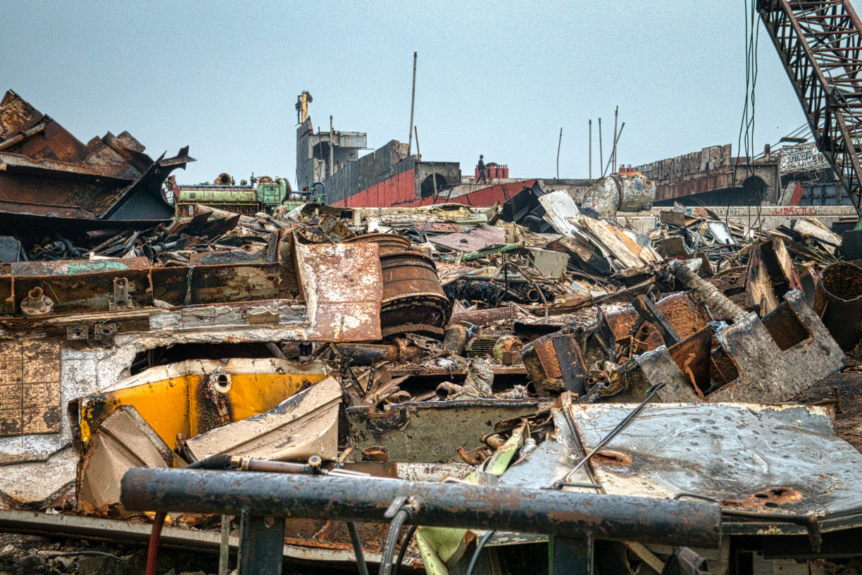
Car Salvage Yards Explained A car salvage yard is a location where a majority of cars that are no longer operational or irreparable are kept. These cars are usually sold for parts or scrapped. Knowing what is in a car salvage yard can also be useful to people who are looking for a vehicle or parts at an affordable price. This article will cover the different types of vehicles you can find at a car salvage yard, how they’re assessed and reasons to buy from a salvage yard.
Car Salvage Yard Inventory
No two vehicles on a car salvage yard inventory are the same. They are a wide variety of types of vehicles including passenger cars and trucks, motorcycles, buses and even boats. The state of these cars range from those involved in light accidents and can be repaired to a full total loss.
The inventory for a car salvage yard is not static. The make and model of such salvage cars influence the purchase price in that the market values each brand of vehicle differently.
The reputation of the salvage yard could also effect the inventory. If there’s a large selection of cars from which to choose, you’re likely to find what you need.
You want to know what sort of condition the vehicles are in. Some sellers will attempt to “title wash” the vehicle, concealing any damage and real title status. This can be circumvented by obtaining an official car history report and having a mechanic inspect the car.
Finally, the salvage yard itself is a way to affect the inventory. For instance, a “pull your own part” salvage yard allows the customer to select the part from the vehicle that they take out of the inventory. Thus, the vehicle that can be sold to the customer drastically skyrockets the inventory. Valuing the Vehicles Valuing a vehicle in a car salvage yard is equally stunning. The process is multi-variable with factors like a make and model of the vehicle, its age, condition, and the specific market condition that the specific vehicle is experiencing. While some online tools can give the user an estimate of a vehicle’s worth, these values usually vary drastically. The best way to get a professional appraisal to get the most precise value. The vehicle status, damage, color, odometer reading, and vehicle history deciding about its own value. Most valued sources are the availability and demand of the make and model in the car market. One more a valuable asset is their type. For instance, even if the car is damaged, many people buy it and restore it as new car owners. The age also plays a big role. The newer cars’ models are much costlier due to their conditions, while older models lose value unless they’re movie star cars. It doesn’t matter how the car goes from your salvage car dealer, always asks how much my salvage car is worth to the right buyer?
When it comes to assessing the value of a vehicle in a car salvage yard, there are a number of things that need to be taken into account including Is Make and Model Condition The market area and its circumstances. Speaking of… while online tools will provide you with an estimate, it doesn’t hurt to have a professional appraisal completed in order to receive an accurate value.
Purchasing from a Junk Yard of Cars
How It Works… Purchasing an automobile from a wrecking yard can be a very cheap way to get transportation. But there are risks and challenges that come with this kind of purchase. Those risks may include buying flood-damaged or salvage vehicle, rebuilt vehicle, damage vehicle and not have a clear title on the car park.
There are two kinds of vehicles for sale in a salvage yard: repaired and repairable. If you choose a salvage-repaired vehicle, the labor has been done and you can drive it out of the showroom. But if you decide to do it yourself, you can make sure all the work is up to your specifications and choose what gets fixed and what quirks you’re willing to tolerate.
Inspection before purchasing is a good idea from the reputable repair shop. ]] This inspection can offer piece of mind and knowledge about both the condition and cost of repairs. If the car has a salvage title look into having a theft recovery inspection done as the cars might be without damage at all.
Pricing wise, a salvage car that has been completely rebuilt is generally valued at around 60 percent of the amount the same car would be worth had it not existed in its prior condition. So if you plan to purchase a rebuilt salvage car it would be smart to look at the Blue Book value and subtract what you’ll need to repair the vehicle before arriving at your base price. Finally research the car’s history. Check the Vehicle Identification Number (VIN) on Carfax and the National Insurance Crime Bureau to determine whether the car has a salvage title or if it has been reported stolen and not recovered. Check where it is you’re buying your salvage vehicle from, and visit the website of the Better Business Bureau to see if there are any complaints.
Checking the History and Title of the Vehicle
Before purchasing a car from an auto salvage yard you should check out the vehicle’s history first and its title. You’ll want to get a vehicle history report which will provide you with the full scoop about the car’s past such as title mishaps and accidents.
What’s included on a vehicle history report:
- Major accidents
- Mileage rollback
- Multiple owners
- Structural damage
- Vehicle service history
- Rental, private, taxi or police use
- Total loss
- Rebuilt
- Airbag deployment
- Mileage rollover
- Salvaged
- Branded a lemon
- Last reported mileage
- Junked
- State-owned
- Length of ownership
- Not actual mileage
- Warranty information.
Title First and foremost, the title on your property should be clear of any liens or problems. These could bar you from putting the car on the road, or registering it and getting insured. Then also check the Vehicle Identification Number (VIN) because this is very crucial to investigate the ownership and clean title of it.
Keep in mind, too, that it is the seller’s responsibility to offer up a vehicle history report. If they don’t agree, it’s a red flag, and may even indicate that there are some serious problems in the vehicle’s history that they want to minimize.
Apart from checking the history of the vehicle and its title, you should also check it in person. This will include examining the outside for any wear and tear, checking under the hood to see if there is any damage to the engine and assessing the inside for any wear and tear.
Finally test-drive the car to get a feel for how it drives. This will help give you an idea of how the car performs and if there are any strange noises that might indicate problems. They will tell you that it is a must to verify the history and title of any vehicle before purchasing. You will also make certain that you are purchasing a problem-free car, and it is safe to be registered and insured.
Inspection and Repair
When you buy a vehicle with an accident history, make sure to have it checked out by a professional mechanic. This process of inspection is not a glance over check and some quick running through.It is definitely an examination to determine the external, internal and also the mechanical condition of the vehicle being chosen.
The examination always begins with evaluating the car’s state followed by a diagnostic testing to determine what is at fault. The repairs can then be carried out when the above impurities have been recognised.
Repair: Repair is of two types i.e. mechanical and body repair. Mechanical repairs are for repairing issues relating to the car’s engine, vehicle transmission system or brakes while bodywork repairs are related to rectifying damage sustained by the car’s body such as dents and scratches or a smashed-up wing mirror.
After the work has been completed, you generally want to perform a post-repair inspection to make sure the car is safe to drive and was repaired properly.
If any issues are detected during the post-repair inspection do not hesitate to inform the repair shop. The repair shop may decide to fix the problems for free or at a discount, depending on how serious they are. Also note any violations discovered during the inspection for later reference or possible litigation.
Lastly, consider the warranty (if the car has any) and know what exactly is covered under it. The warranty needs to be included in the repair contract and the owner should accept its terms and conditions.
In conclusion buying a car that was in an accident means it needs to be professionally checked and fixed so that the vehicle is safe and reliable. By having your car regularly inspected and repaired, you could prevent damage that would be expensive to repair while also making it last longer.
Legal Considerations
The legal read-outs If you are selecting a car from a junkyard then it is essential for you to have the knowledge about the laws. That can mean your sate or local requirements to sell salvage vehicles and more.
You will also need to consider the local laws, duties and rights that apply when making a property transfer. For instance, if you’re trading on a vehicle that’s under finance, the balance owing and repayment terms will need to be confirmed prior to the exchange taking place.
Also make sure you get the vehicle insured once you’ve taken possession of it since the ownership of it becomes yours then. Always be sure that you read all of the fine print before you sign anything. In some states there’s a “cooling off” period after you say yes to buying the car and then realize you changed your mind.
With a private sale your only redress in the event of dispute will be the seller’s description of the car. If the car doesn’t turn out to be as described or if it was stolen or sold without the owner’s consent, you might have trouble getting a payout.
So keep records of any transactions and interactions you have with the car purchase process. This includes the ads and any roadworthy certificates, and so on. Also confirm who owns the car and check its history through your state’s registration office.
Finally And always consult with an attorney to make sure you’re in compliance with all laws and regulations. They can advise you on possible legal matters and assist with any disputes.
Conclusion
So in short a salvage car yard can be your best option. But understand the risks and challenges of purchasing from a salvage yard. You can save A LOT of money on your next car purchase if you have a good grasp of what is in the inventory, how they value cars and know your way around buying from here as well!