


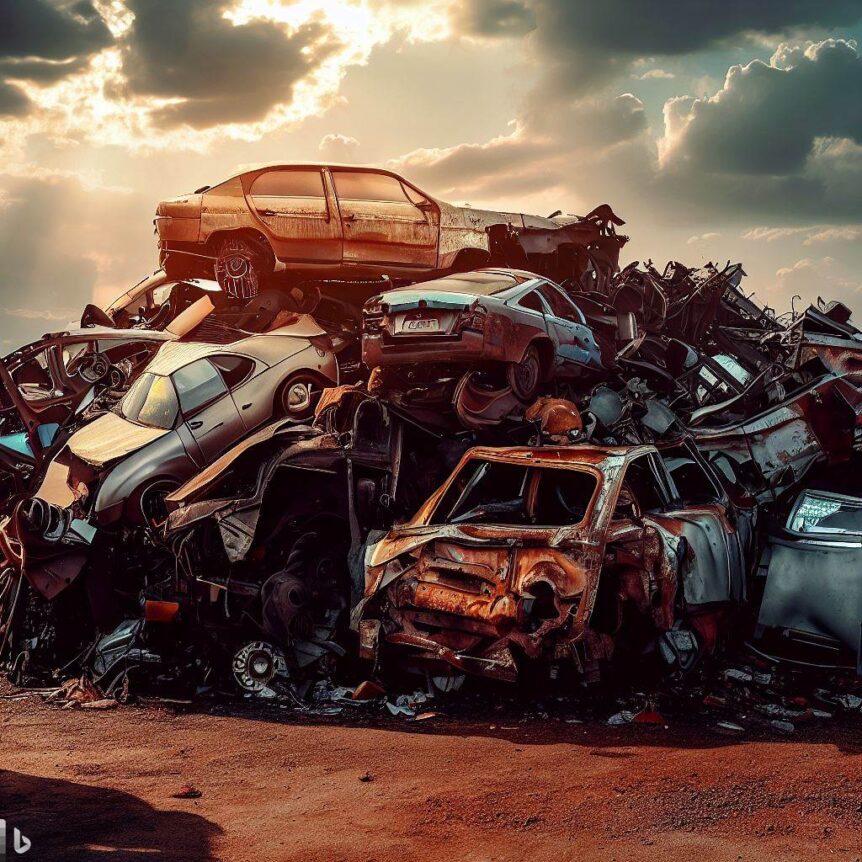
When junk cars, also called end-of-life vehicles (ELVs), get to scrapyards, they go through a set process. These places are very important for recycling and getting rid of old cars in a way that doesn’t harm the environment. In this article, we’ll look at how junk cars are usually handled at scrapyards.
I. Receiving and documenting vehicles
When junk cars arrive at a WA Auto Parts scrapyard run by professional Wreckers, they go through a careful reception process that includes thorough documentation and assessment. The highly trained and experienced staff at the scrapyard carefully write down important information, such as the vehicle identification number (VIN), make, model, and condition. This careful record-keeping has many uses, including making it easier to keep track of the vehicle’s history and making sure that all legal requirements are met.
The first step in the reception process is to carefully write down the VIN, which is a unique number that gives important information about where the car came from, how it was made, and who owned it before. By writing down this important piece of information, the scrapyard creates a reliable source of information for any future questions or investigations about the car.
The make and model of the junk car are also carefully written down, along with the VIN. This information not only helps the scrapyard sort and group the cars, but it also helps potential buyers and salvage operators find the specific parts or components they need.
Also, the vehicle’s condition was carefully checked and recorded. This evaluation looks at both the inside and outside of the item, including things like body damage, how well the mechanics work, and whether or not there are any dangerous materials present. Keeping accurate records of the vehicle’s condition makes things clear and helps potential buyers or recyclers make smart choices based on their own needs and wants.
Also, the thorough paperwork done during the reception process is very important for meeting legal requirements. The scrapyard follows rules about how to get rid of and recycle junk cars, which helps the environment and lowers the risk of lawsuits.
When junk cars are brought to WA Auto Parts Wreckers, they are carefully documented and evaluated. By keeping track of important information like the VIN, make, model, and condition, the scrapyard makes it easier to keep track of the vehicle’s history, helps find parts, and makes sure that the law is followed.
Source: The National Highway Traffic Safety Administration
II. Getting rid of fluids and parts
For environmental safety and to get the most out of resources, it is important to properly drain fluids and take parts off of junk cars. It is very important to drain the fluids from these cars before doing anything else to them to avoid any possible pollution of the environment.
Highly skilled scrapyard workers carefully remove different fluids, such as engine oil, transmission fluid, coolant, and brake fluid. By doing this, they make sure that these substances don’t leak into the environment and cause harm. This responsible way of doing things not only protects ecosystems but also fits with sustainable practices.
In addition to draining the fluids, valuable parts from the junk cars are also carefully taken out so they can be recycled or sold separately. Batteries, catalytic converters, and tires are some of the parts that are often included. The scrapyard helps cut down on waste and save resources by salvaging and recycling these things. Also, selling working parts again lets them be used again, which helps the economy stay in a circle and cuts down on the need for new production.
The scrapyard shows its commitment to protecting the environment and using resources wisely by putting fluid drainage and component removal first. The facility makes sure that harmful substances are thrown away correctly and valuable materials are saved and given a second life through these careful steps. This all-encompassing approach is good for the environment and helps with the long-term management of car waste.
The Environmental Protection Agency is the source.

III. Taking apart and sorting the parts
The process of taking things apart starts after the removal of important fluids and parts. Skilled workers carefully take apart the junked cars and sort the parts and materials into separate groups. This important step involves sorting the parts by their condition and figuring out if they can be reused or recycled. Parts that are worth a lot of money can be sold to auto repair shops or individuals, while the rest of the materials are prepared for further processing.
During the dismantling phase, the skilled workers use their knowledge to carefully take apart the junk cars, making sure that each part is separated with care. By organizing the parts into groups, they make it easier to manage the resources that can be salvaged. This careful sorting process includes checking the condition of each part, figuring out how useful it is, and looking for any possible flaws or damage.
It is very important to sort parts by their condition and whether or not they can be reused or recycled. It makes it possible to find valuable parts that can be saved and sold to auto repair shops or people looking for cheap options. These high-quality parts not only help the circular economy, but they also help with car repairs in a cost-effective way.
At the same time, the other materials that aren’t valuable right now are getting ready for more processing. These materials are treated again to get any leftover value or to turn them into raw materials that can be used in many different industries. The recycling process gets the most out of resources and makes the least amount of waste by getting these materials ready for the next steps.
The phase of taking apart cars and sorting the parts is very important to the process of recycling cars. With the help of skilled workers and careful sorting, valuable parts are found for resale, and the rest of the materials are prepared for further processing. This makes sure that resources are used in the best way possible and that the environment is protected.

IV. Recycling scrap metal
Recycling scrap metal is an important part of how junk cars are handled in scrapyards. After the first step of taking things apart is done, the rest of the metal parts, like the chassis and body panels, go through a series of steps to make them useful again. Specialized machines are used to break these metal scraps down into smaller pieces, making it easier to move them to recycling centers.
At these recycling centers, the metal scraps go through a number of steps, including shredding, melting, and cleaning. These steps are necessary to turn the scraps into high-quality raw materials that manufacturing companies can use. Shredding breaks up metal scraps into smaller pieces, which makes them easier to handle in the next steps because they have more surface area.
After shredding, the metal pieces are melted down to get rid of any impurities and sort the metals into groups. This melting process makes it possible to make metal alloys that are all the same or to get certain metals out for further refining. Then, purification methods are used to get rid of any remaining contaminants, making sure that the raw materials meet industry standards and requirements.
The recycled metal that comes from this thorough recycling process is a long-lasting substitute for new materials. Reusing these resources can greatly lower the need for new mining activities and the damage they do to the environment. Also, recycling scrap metal uses less energy and releases fewer greenhouse gases than making new things the old-fashioned way.
Recycling scrap metal is an important part of how junk cars are taken care of in scrapyards. The metal scraps are turned into high-quality raw materials using specialized machines and different refining methods. This helps protect the environment and supports sustainable manufacturing practices.
Source: The Institute of Scrap Recycling Industries

V. Things to think about for the environment
Throughout the whole treatment process, scrapyards put a lot of emphasis on the environment. They strictly follow the rules set by local governments and environmental groups in order to reduce pollution and promote sustainability. When junk cars are taken to a scrapyard, it is very important that they are disposed of correctly, that soil and water are not contaminated, and that air quality standards are strictly followed.
Scrapyards’ main value is being responsible for the environment, which guides how they do business and make decisions. These facilities actively help protect and preserve our natural resources by putting sustainable practices first. They make sure that their actions don’t hurt the environment or the people who live nearby by carefully following all local rules.
One of the main goals of scrapyards is to get rid of dangerous materials in a safe and responsible way. These places use special tools and methods to handle and get rid of these kinds of materials in a way that follows the rules. They keep harmful chemicals from getting into the environment, which protects both human health and the health of the ecosystem.
Scrapyards also take steps to keep soil and water from getting polluted. They use the best methods and strong containment systems to make sure that junk cars don’t leak or seep pollutants. This promise to keep things clean helps keep soil and water resources clean and healthy, which protects ecosystems and supports biodiversity.
Scrapyards not only deal with dangerous materials and keep them from getting into the environment, but they also make sure they follow air quality standards. To reduce the release of pollutants into the air, they use cutting-edge technologies and methods to control emissions. Scrapyards help lower air pollution and improve the overall quality of the air around them by strictly following air quality rules.
Scrapyards show a strong commitment to being environmentally responsible. Their compliance with rules, safe disposal of hazardous materials, prevention of soil and water pollution, and adherence to air quality standards all work together to make junk car treatment sustainable. Scrapyards are very important for protecting the environment and making the future greener by keeping these important things in mind.
From the Environmental Protection Agency of the United States

Conclusion
Scrapyards give junk cars full treatment, making sure they are disposed of, recycled, and resources are recovered properly. These facilities help reduce waste and the environmental impact of end-of-life vehicles by following a series of steps: receiving the vehicles, draining the fluids, taking them apart, sorting the parts, and recycling the scrap metal. Scrapyards are an important part of sustainable automotive waste management because they follow strict rules and guidelines.