


Last Updated: January 30, 2026
What an ignition coil does
An ignition coil is a very important part of the ignition system in cars with internal combustion engines. Its job is to make the high voltage needed to start the combustion engine. The design of the ignition coil is the same for most cars. The coil with the primary winding is made of thicker copper wire and is shorter than the coil with the secondary winding, which is made of thinner copper wire. A laminated iron core is wrapped around both coils. The coils’ wire is insulated so that the voltage can’t jump from the secondary winding to the primary winding. This keeps short circuits from happening. The ignition coil changes the 12-volt voltage into a high voltage of about 15,000 to 30,000 volts. As auto mechanics and professional wreckers often explain, this is then sent to the spark plugs through the ignition leads, which can then ignite the mixture of fuel and air in the cylinders.
What can break an ignition coil
The ignition coil, like other parts of a car, can wear out. There can be internal short circuits or damage to the engine from vibration, rusted plug connections from wetness, or a broken voltage supply. If an ignition coil is broken, the car won’t start, the engine misfires, or the car accelerates much worse. If your ignition coil is broken, you might notice that your engine runs roughly, uses more gas, or loses power. For some cars, the check engine light comes on, an error code shows up, or the engine control system goes into emergency mode. You can also get replacement parts and help from reliable suppliers like WA Auto Parts.
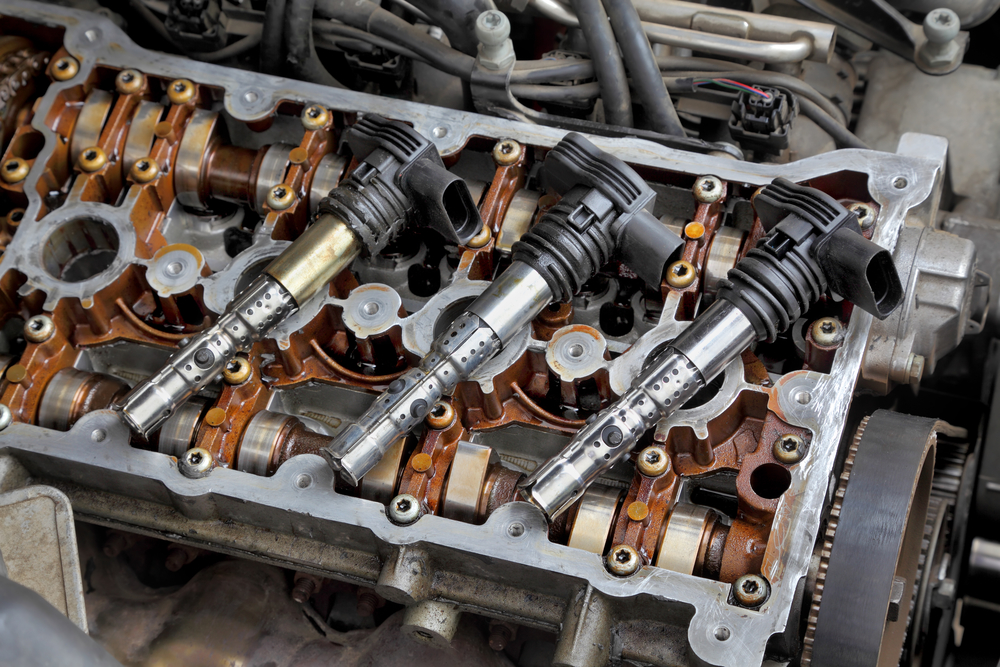
Ignition coil on car gasoline engine with two camshafts
What happens when the ignition coil is broken
If the ignition coil is broken, it can cause things like occasional misfires or slower acceleration. You can still drive if you have the symptoms listed above and the ignition coil is broken, but you should replace it as soon as possible. If one ignition coil is broken, it can affect the other cylinders. In some cases, the engine won’t start at all. It is important to change a broken ignition coil to make sure that the engine starts reliably and runs smoothly and efficiently. Driving with a broken coil can cause more damage.
How to test the ignition coil
It is easy to figure out what is wrong with a distributor-less ignition system, but a distributor-based ignition system needs to be tested in detail. As was said before, a lot of on-board diagnostic systems give out a fault code that helps you find a problem. Most of the time, the usual methods can’t tell for sure what the problem is. A resistance measurement doesn’t always give a clear answer. Also, you need special tools because the parts are hard to get to. A professional can use special tools and equipment to check the ignition coil’s function. This can be done with or without the engine. A hobby mechanic probably doesn’t have these modern measuring tools, so it’s best to have a professional workshop check the voltage supply.
- Things to look for when testing the coil
- Look for damage to the machine
- Are there small cracks in the housing? Are the ignition leads and plug connections damaged or rusted?
- Is the voltage supply right?
- Use a diagnostic tool to read out the fault memory.
- Check the control of the engine and the ignition
- Looking at the high-voltage curve
Don’t change any of the ignition coils unless you have the right tools. Take them to a professional in the workshop of your choice.
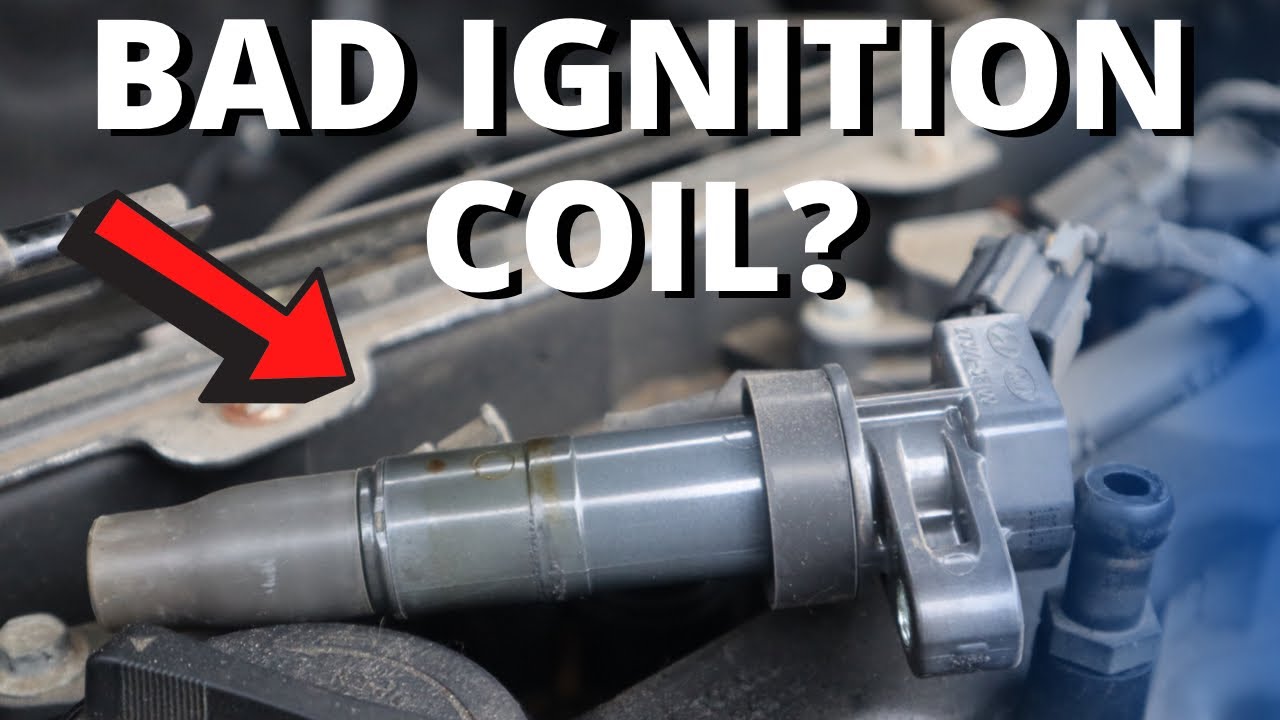
The price of a broken ignition coil
Depending on the kind of car, you should expect to pay between 60 and 180 euros for each sink. The amount of work is also a factor. The price depends on the type, quality, and delivery of the parts. Some ignition coils can power more than one cylinder, while others can only power one. You don’t always have to replace both at the same time; you can order them separately. Having the part replaced in a workshop is a good idea. There, the experts know exactly what kind of coils to use and will guarantee the new part. Working on the ignition system is also dangerous because there is a lot of voltage, which may not be easy for a beginner.