


Last Updated: January 3, 2026
When you junk your car at a scrap yard it’s a simple yet weighty decision. This guide is here to help peel back the curtain on some of that mystery, and show you exactly what happens after you sell your car – as well as give you a few handy tips for ensuring you get the best price for it.
Selling Your Car Step 1 The first step to selling your car is making sure it’s in the best possible condition. This can include a deep clean, minor maintenance and making sure your vehicle’s service history is current. Your car’s appearance can play an important role in what it is worth and sometimes a professional detail is the way to go. Also good photos can make your car stand out to potential buyers.
After your car is ready to sell, you’ll need to get ready for the buyers. 4) Be prepared to guess the weight – This means being prepared with answers about you engine, where in the States they can ship from and have all of your paperwork ready and visible. It’s important to get 100 percent payment in hand before you give up the keys, and don’t leave anything personal in there.
If your car is purchased, it can go in several directions depending on the condition and who its buyer will be. If the buyer plans to destroy it, Genius Garage will sell its parts. Your car’s worth in scrap is based on the weight of your vehicle without the extras and fluids. The price you can get for any car for scrap will vary depending on where you live.
You should know the market value of your vehicle in order to get the highest price when selling it. Doing some price research and coming up with a reasonable asking price can help you get the best offer. Also, readying the vehicle for a test drive and addressing any issues during that process can help in making a sale.
The process of selling a car to scrap yard is multi-layered including getting the car ready for sale, knowing how the buying process works and setting a fair market value. That’s another thing; Simply follow and you will enjoy the same smooth selling process.
Step 1: Find a Reputable Scrap Yard First and foremost, you need to find a reputable scrap yard.
If you would like to make it be quicker and easier, become a process for how to scrap your car. This can be done by searching on the internet or by asking friends and family for a recomendation. A good scrap yard will give you an honest assessment of your car and guarantee its safe delivery to market.
To make sure the yard is trustworthy, read customer reviews and obtain quotes from several places. This is an useful to tool that helps you get top dollar price for your car.
After you’ve selected a yard to visit, get your car ready for the sale. (That means taking out anything that is personal to you, or that may be worth something and you would prefer to keep or try selling separately. This is also crucial to ensure that you can report to your local DMV that the car is being scrapped.
The service will arrive at the scheduled pickup time, and a quick check of your vehicle to make sure everything is as it should be. Once everything is right, we will pay you as per the agreed upon quote. Upon completion of the sale, do not forget to cancel your car’s registration and insurance so that you aren’t shot with any legal claims or charges.
To sell your car to a scrap yard, you need to locate one in your area, obtain an estimate from several competing companies, prepare your vehicle for sale, and complete the sale transaction. In doing so you can rest assure to have a seamless and fair transaction.
Step 2: Prepare Your Car
There’s a few things you need to do when selling a car to get ready before you sell the car. This includes a deep clean, inside out and all around. Begin inside the vehicle by vacuuming all carpeted areas (even in the trunk and under the seats) and wiping down every plastic trim piece with an automotive interior cleaner.
Then, focus your eye to the outside. Wash and wax the paint with a good quality car wash. And, don’t forget about stains or scratches — these can also be fixed if you’re on top of it some dirt and rush to the door type.
Additionally, it’s critical that all potential will are engaged off from the auto. This would include garbage, clothes and other things that takes away from the cleanliness and appeal of your car to a prospective buyer.
Finally, take out the battery to avoid any unwanted ignition. This contributes not only to the cleanliness of the car but its safety.
Remember, the first impression is everything when it comes to selling a car. A clean car, ‘on the outside’ and ‘in’ is undoubtedly going to grab attention from prospective purchasers so, have your vehicle prepared properly as you could maximise the chances of a sale.
Step 3: Conduct the Sale
Now that you have a very clean car ready to go, it’s time to get in on the sale. The first thing to do is ensure the scrap yard has been given all relevant information about your vehicle. This includes the car’s make, model, year and mileage. The scrapper will then assess these and give you a price for your vehicle.
This quote is affected by a number of factors, particularly, but not limited to, the car’s age and condition, market demand for scrap material, and other aspects of the vehicle. It’s worth noting that the age of the car makes a huge difference in what it may cost you to recycle it as older vehicles are usually relatively much more expensive to recycle for their parts.
You can then decide if you’re ready to complete the sale after receiving your quote. If the price is OK Then it is not that difficult; (Straightforward Process). The scrap yard will take care of all the administrative work, pick-up your car. Certain scrap yards even allow payments by e-transfer, cash or other means, promoting a secure and easy transaction.
The selling process of a junk car to sell to wreckers Other God Of Junkyard is simple, also you provide a description on the car and get quote and then your decision. The scrap yard does all the paperwork and makes sure it’s a safe transaction for everybody.
What Becomes of Your Car After the Sale?
The car selling process doesn’t stop after the sale of a vehicle. It does not retire; neither is it replaced with newer muscle to serve microenvironmentially but rather transitions into a new chapter of service otherwise than serving the environment or economy.
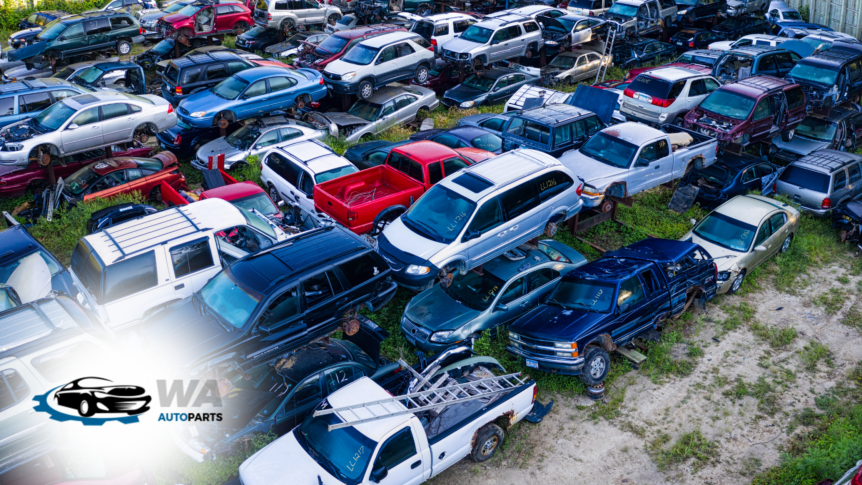
The automobile is taken to the junkyard -the place where cars and trucks are disposed of at the end of their useful lives. Here, the vehicle is subjected to a detailed review of its condition and the kind of material it’s made out of.
The parts are then categorized according to the material. The metals are either ferrous or non-ferrous, detached from rest of the masses. Ferrous parts consist of cast iron and steel, and nonferrous parts are aluminum, magnesium and zinc.
The body of the car, stripped of its valuable parts, is turned into scrap. This involves the use of heavy equipment to crush the body of a car into multiple sections, which can then be easily handled or recycled.
The separated metals are melted in a furnace. The metals are melted down and the heat causes them to break. This is the important step of recycling as it makes sure that you will get high-quality recycled metals which can be used in different products.
The other, much smaller stuff — essentially the plastic and rubber — is also recycled. It’s sorted, cleaned and then molded into new products. This may include everything down from new car parts to products, like furniture, toys or even packaging.
Your car will have a new life after the sale, helping to save the environment by reducing waste and encouraging recycling. It’s also a tribute to the circular economy, in which materials are reused and recycled rather than thrown away.
How to Get the Best Price
Here are a few tactics that can help you get the best price when selling your car:
Market Research: Knowing the value of comparable cars in your region may give you a starting point for your car’s worth. Keep an eye on the value of similar cars in online listings and local classifieds to see what other sellers are asking for cars of the same make, model, age and mileage as yours is. It will give you a better idea of what price you’re going to get.
Keep Things Current: The better condition your car is in when it comes to the end of its life, whether you intend to sell it on or scrap it, the more valuable and desirable it can potentially be. Ensure you keep a record of all service and receipts for regular maintenance. This transparency not only instills confidence with prospective buyers but can help you get a higher price.
Show Your Vehicle in Its Best Light: Clean your car and make it look good. That goes beyond a simple wash and vacuum to cleaning out all surfaces, maybe even steam-cleaning the engine as everyone I know does. Get your car professionally detailed if it’s more than 10 years old. A clean and well-cared-for car can boost your sale price by a few extra dollars.
Be Willing to Wait and Haggle: Don’t be in a hurry to sell. Do your homework to get a reputable buyer, and do not be afraid to haggle. Keep in mind that you are the one selling the car, and so you have some control over setting the price.
Save receipts Save copies of all receipts for work done to your car, as well as written records tracking your car’s service record and insurance claims. These papers can help you to justify a higher price and establish trust with your potential buyers.
By taking a few simple steps, you can make your car worth the most possible and get the highest price when it comes time to sell.
Conclusion
Selling your car to a salvage yard is easier than you might think if you do it right. Learn what happens to your car after you sell it, and follow these tips so you get the best price possible. After all, the whole point is to dispose of your car in an eco-friendly manner and be environmentally conscious.