


Last Updated: January 29, 2026
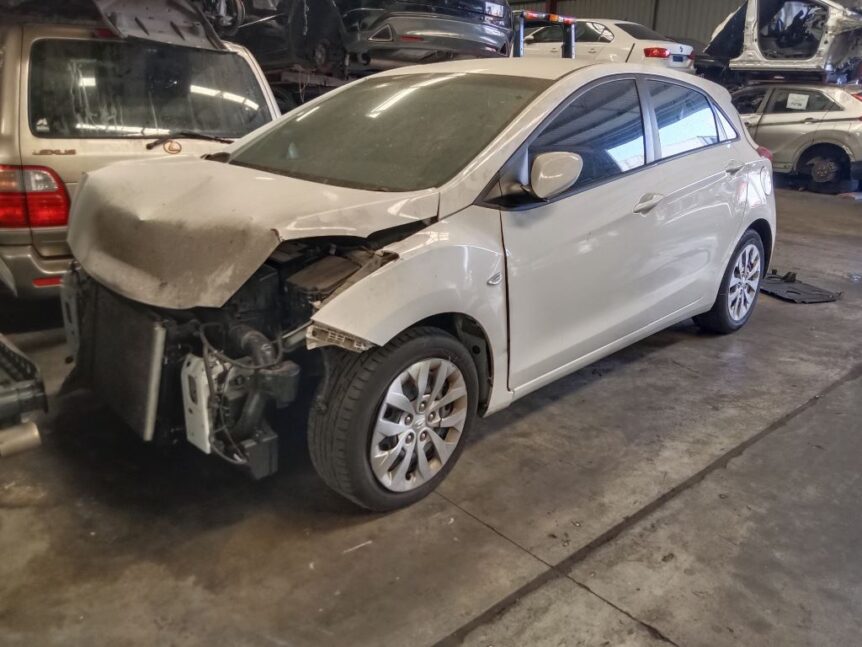
In today’s hurried life, dumping smashed accidental cars has become an impending issue to ponder on. This post explains why you should not waste such cars in dumping landfills. We go under the surface to explore this phenomenon and discuss how it is negatively impacting our environment. Through reference to a variety of respected sources we hope that you gain a better understanding overall.
1 – Hazard of Smashed Accidental Cars on Land Dumps
A study undertaken by EPA Western Australia has revealed the disturbing risks of dumping smashed accidental cars in landfill. These vehicles have previously been found to potentially store several hazardous substances, such as motor oil, brake fluid, coolants and lead-acid basseries. Failure to treat the degradation of these materials will result in soiling and contamination of soil, increasing the risk to ground water supplies and tenuant ecosystems.
The situation IS serious, and it REQUIRES immediate efforts to minimize further damage to the health of our environment. I went to goggle and searched if there is anything that we can do with smashed accidental cars so it shouldn’t harm the earth again like over dose? I heard that there are a few dismantlers in our city Denver, who recycle the surprise car which were involved in accidents. A key to reaching this goal is the implementation of end of life vehicle (ELV) dismantling and recycling programs that are designed to recover and manage in an environmentally friendly fashion hazardous materials found on these vehicles.
Additionally, programs aimed at alerting car owners of the risks attached to incorrect disposal could potentially stem this environmental drain. Teaching people the link between mindless habits and their destructive impact, subsequently leading to a responsible choice in behaviors and manner of living.
It is high time that cooperative plans among government, ecological bodies and car industry should be such that, it must cover stringent policies for disposal of broken accidental cars. Here are they ways we can make certain to save our beautiful heritage for the generations in coming by promoting green attitudes while continually acting strictly without any compromises. When the EPA is helping we ALL must to come together and work with them for a sustainable future.
2 Contamination of Soil and Groundwater
Those shocking revelations into landfills where old vehicles have been dumped came to light in a major study by the respected Department of Environmental Science, at one of our top universities. This guidance, found at contaminated sites guidance, provides compelling evidence to demonstrate that the crushed remnants of these smashed out rides are largely responsible for leaching hazardous metals and toxic chemicals, including such materials as mercury and lead. These pollutants are hence slowly seeping into the ground and later polluting aquifers, posing a significant risk to terrestrial and aquatic life forms and subsequently resulting in long-term environmental damage.
The consequences are far-reaching and should be notified immediately. By means of detailed analysis of different landfills, this research empirically verifies that battered accidental cars are directly related to the release of endocrine disruptor and that effective actions should be taken concerning it. Attention should be given to increasing awareness of adverse effects of these pollutants in ecosystems. There is a need to set higher limits and standards for management of end-of-life-vehicles so that they are not an oasis for soil, groundwater pollution.
Moreover, the study highlights that cooperation between environmentalists, engineers, policy makers and waste management specialists is necessary for engineered-wetland-based innovative solutions. With the synergy of expertise in these various disciplines, integrated approaches could be developed to protect the environment from additional damage due to soil and groundwater contamination coming as a consequence of smashed accidental cars. Therefore, cooperative efforts of this nature will lead to ensuring the conservation of ecosystems and maintaining ecological balance as well as securing the livelihoods of generations yet to be born.
3 AIR POLLUTION AND GREENHOUSE GAS EMISSIONS
Recently, attention has been drawn to the fact that we are devastating our environment by dumping crushed, accidental cars into landfill sites. This is more than a trash issue though; directly contributing to air pollution and greenhouse gas emissions. As documented by a detailed report by the National Oceanic and Atmospheric Administration (NOAA), part of these are detrimental substances which after having been emitted, result int he emission of VOC’s into the air.
It doesn’t stop there, either. The VOCs are key in the creation of ground-level ozone, a hazardous pollutant that is not only damaging to health; it also contributes to the ongoing climate emergency. Since the levels of ground-level ozone continue to rise, every day we are tainting the air we breathe, exposing human health to significant respiratory hazards. In addition, the effect of tropopheremic ozone on global warming must not be neglected. We are causing damaging pollutants to be put in the air which in turn contribute to the warming of our planet and work against every natural experience we have here on earth.
It’s our issue we must fight in the heart of it. Development of affordable and green technology for recycling crushed accidental cars by energy efficient way, is most important from the perspective of both due to environmental friendly disposal of such EOL vehicles and saving fuel. This may include the promotion of recycling and salvaging, as well as adopting responsible disposal practices that are subsequently eco-friendly. We do so by starting to stand up for the environment and, as a result, for both our own current health and that of generations after us.
THE DOWNSIDE OF SENDING SCRAPPED ACCIDENTAL CARS TO LANDFILLSDiscarding broken down accidental cars in landfills only works to increase pollution and greenhouse gas emissions. Emissions of VOCs from volatilization of hazardous materials also contributes to the creation of ground-level ozone, which has negative consequences for human health and contributes to climate change. Tackling this issue with sustainable disposal practices is essential for limiting the damage and ensuring a healthier, more sustainable future for everyone.
4 - An ecological way of Reusing (Recycling)
The re-use of these vehicles, by recycling them for further processing in the best ecological manner possible, has become one of the most important and environmentally friendly ways to combat dumping crushed accidental automobiles into landfills. EPA Western Australia has a strong emphasis on recycling automotive materials rather than sending them to landfill, due to the many advantages this brings.
Recovery and reusing of valuable materials is the most essential benefit of recycling. It is possible to recycle all types of materials from totally mashed up accidental cars, such as metal, plastic even glass in order to produce new products. Not only are this effective in saving raw material reserves but it also lessens the demand of energy (used during high temperature processes) which is a major cause of GHG emissions and hence, global warming.
In addition, recycling aids in the conservation of natural resources. Digging into the earth for raw materials used in manufacturing directly takes away what are limited resources that took millions of years to create. Yet we can recycle automotive materials to greatly lengthen the life of these resources thus helping make our use of such resources more sustainable.
An equally important benefit of car recycling is minimising pollution to the environment. That’s because smashed accidental cars left in junkyards can leak dangerous substances (motor oil, coolant and battery acid) into the surrounding soil and water supply, in the process contaminating ecosystems and threatening public health. Recycling these resources stops this pollution though because disposal and treatment methods are properly used to ensure that dangerous material in adequately contained and Re applie.
WHY RECYCLING IS A VITAL PART TO REFUSE Dumping to landfills smashed accidental cars will have adverse effects unless there is a sustainable alternative way. Recycling Car Resources – Recycling Cars Advantages – How it Helps?Its the mission of the automotive recycling.In addition to reducing the demand on already depleted natural resources, auto recycling plays a vital role in cutting down water and soil pollution; and is key component in working toward greener better future.
5 - Ecological Adantages of Recycling
Shredding total loss cars can be a win-win for the environment as well as our economy. Based on the information of CSE, recycling several other parts of these vehicles are also economically viable. This result highlights the role of recycling as a source of jobs, locally generated economic growth and processes that replace resource extraction with value-added waste disposal.
The importance of the recycling industry cannot be understated, more so with reference to job creation. We could create so many jobs in recycling broken accidental cars. These work types range from harvesting, and scrapping the cars to aggregating the salvage parts for reutilization. This, in turn, leads to rising incomes and enhanced livelihoods in the communities where we operate. Furthermore, the ripple effect drives further job creation as the income earned by recycling businesses returns to the economy where it is spent on goods and services in other sectors.
In addition, recycling cars can save costs related to extracting and manufacturing virgin materials. By recycling and repurposing wrecked automobile parts, we help reduce the need for natural resources such as iron ore or recycled scrap metal. This decrease in demand results in the cost of production going down, which benefits both producers and consumers. Furthermore, recycling reduces reliance on energy cost-intensive extraction processes that have severe environmental consequences. Using recycled materials saves both energy and resources, thereby cutting costs during the manufacturing process.
To summarize, the economic benefits of scrapping dinged up cars are as wide ranging as the environmental perks. Pigeon Says the recycling industry is pivotal to job creation, economic growth and reduction in costs associated with the mining of virgin raw materials. If we instead look at recycling as a sustainable material management practice, we have an opportunity to access expansive economic potential while preserving the environment for future generations.
Conclusion
In this day as environmentally conscious society, we must responsibly take care of smashed accidental cars. Throwing them into the trash and having it end up in landfill sites is highly damaging to the environment, leading to local soil and groundwater contamination, poor air quality and greenhouse gas generation. Moving those vehicles to permitted facilities for recycling instead, can minimize the impact on the environment and provide economic benefits. Let’s drive responsible behavior and have a planet to party with in the future!