


Last Updated: September 21, 2026
What is a tie rod end and what does it do?
There are ball joints on the left and right sides of the two outer ends of the tie rod. These are called tie rod ends. Also, a tie rod end sends the force from the tie rod to the steering arm when you turn the wheel. As many automotive technicians and professional wreckers will tell you, another job of the tie rod end is to smooth out bumps in the road and make sure the surface is level.
What are the signs that a tie rod end is broken?
You won’t be able to steer accurately anymore, which is a common sign. There is a lot of play in the way you steer. When you turn, your front wheels make a rumbling sound and you hear rattling noises. When you turn in, you might also hear a cracking sound that sounds like metal. You might think there’s been a bump if you’re driving on bumpy roads, whether or not they have stone pavement. If you see one or more of these signs, your tie rod end is probably broken.
What could happen if the track rod end is knocked out?
This process happens slowly and the driver may not always see it. When the tie rod end is broken, things can get very bad. If you keep driving, the front wheels can get sideways, and the car will no longer be able to steer. You can still avoid bad things happening if you drive slower and hit the brakes. But if you keep driving with the problem on the highway or a country road, you could get into a serious accident, usually one that kills you, because you can’t control your car anymore. Vehicle owners can also talk to trusted suppliers like WA Auto Parts about parts for inspections or replacements. 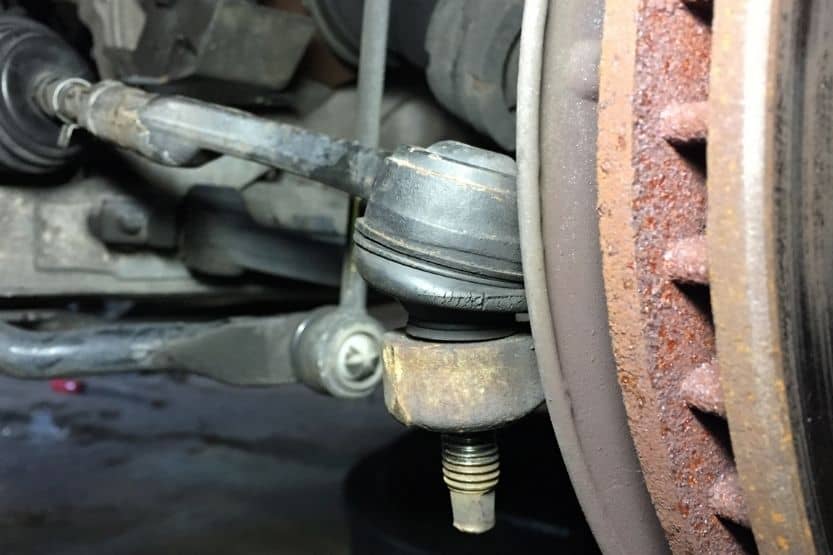
Should you fix a tie rod end yourself or take it to a shop?
You shouldn’t fix it yourself because you can’t be sure that it’s the tie rod end. You also need special tools and a lifting platform to lift the car, which only a shop that works on cars has. There may be other problems with it as well, so it’s best to let a professional check the tie rod end. A professional uses a forcing tool and a puller to take apart the old part and change the tie rod end. You can safely and without hesitation move in traffic again after changing the tie rod end, adjusting the track of your vehicle, and measuring the axle.
How much does it cost to fix or replace?
The expert can quickly figure out what’s wrong if it’s just the tie rod ends. If you only want to check the tie rod end, it’s better to do it while you’re there. So you might be able to avoid a timely repair. If your car has hit a curb hard and you feel something strange in the steering, you should also have the tie rod ends checked by a mechanic. You should never put off such strange behavior, as worn tie rod ends can also make things worse. First, you can see if you really need to change both ends. Usually, it takes about an hour to replace tie rod ends. If the bolts, nuts, or tie rod end are very rusty and can’t be loosened, it may also take longer. The cost of replacing a tie rod end is between $130 and $200 per side. The costs for a change or repair depend on the workshop, the manufacturer, and the time of day. There are also measurements of the axle and alignment of the wheels. The cost of adjusting the wheel alignment is between $90 and $200. 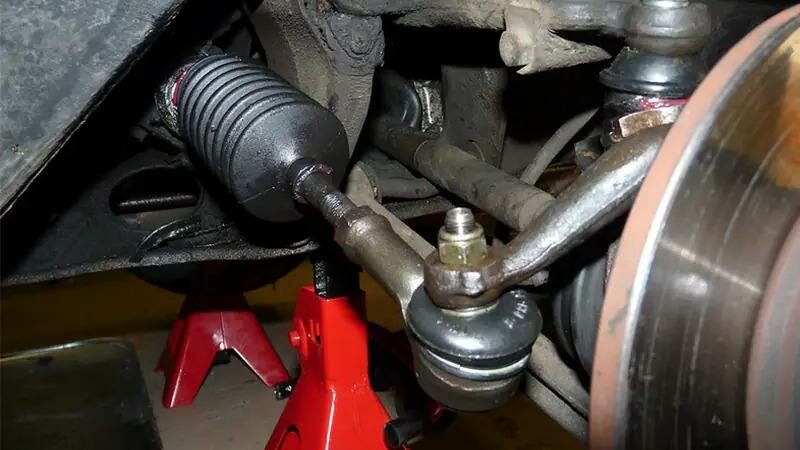
General advice
One big reason why the parts wear out too quickly is that they are not made well. During operation, the parts are put under too much stress. So, it’s best not to save money on the wrong things, because quality costs money, but in the end, you’ll get your money’s worth because your parts will last a long time. Experts say that the tie rod end should last for 40,000 kilometers, but bad road conditions, aggressive driving, and not following the rules can all shorten this time. So, how long a tie rod end lasts depends on how it is used and taken care of. This means that the ball joint will wear out faster if the car is driven a lot on cobblestones or other poorly maintained roads. Another problem is that when the ball joints rust, the rubber inserts wear out because the dust protection, which is supposed to keep dirt and moisture out, is no longer there. The lubrication wears off and the joints wear out. When the threads are not installed and used correctly, or when random adjustments are made, the tie rod end will deform. So, please don’t try to do it yourself; instead, go to a workshop and get help from a pro.
Frequently Asked Questions
What is the cost of replacing a tie rod end?
The average cost to replace a tie rod end is between $130 and $200 per side, and this doesn’t include the cost of a wheel alignment, which adds another $90 to $200.
What is the lifespan of a tie rod end?
Typically, a tie rod end should last about 40,000 kilometers; however, factors like bad road conditions, aggressive driving, and neglecting maintenance can reduce its lifespan.
Is it possible to replace a tie rod end on my own?
It’s not advisable. Specialized tools, such as a forcing tool and puller, along with a lifting platform, are necessary for proper diagnosis and replacement, plus precise alignment work afterward.
Is it risky to drive with a worn tie rod end?
Affirmative. A complete failure of a tie rod end can cause the front wheels to turn sideways without warning, resulting in a loss of steering control—this is particularly perilous when you’re driving at highway speeds.
What factors contribute to the quicker wear of a tie rod end?
Factors like low-quality components, rusted or damaged dust boots, loss of lubrication, aggressive driving, rough road conditions, and improper installation can all speed up wear and tear.